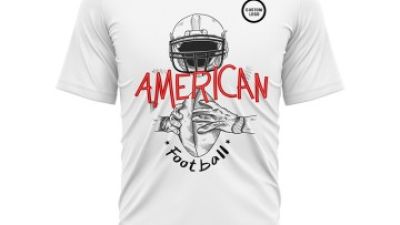
You know, in the fast-changing world of sports gear, the demand for those cool football shirts has really shot up. I recently came across a report from Statista that said the global sportswear market could hit a staggering $231 billion by 2026. That’s pretty huge, and honestly, it shows how much fans are into buying legit merchandise — especially football fans who want to show off their team spirit. With clubs and teams pouring money into their branding, picking the right football shirt becomes more important than ever.
Experts in the industry also point out that fan engagement plays a big part in driving sales. Nielsen’s research found that almost 70% of fans are willing to shell out more cash for authentic gear. But here’s the thing — a lot of buyers tend to overlook the craftsmanship or the ethical side of things when they just go for the flashy looks. Some brands focus on making things look good but might cut corners on quality. That’s where savvy shoppers can really make smarter choices if they take a bit of time to evaluate what they’re actually buying.
The market’s pretty crowded, with giants like Nike and Adidas ruling the scene. Still, new brands are starting to stand out by focusing on sustainability and offering fresh, unique designs. As consumers navigate all this variety, understanding what actually gives value to a football shirt becomes pretty important. And with the 2026 World Cup just around the corner, now’s a good time to make informed decisions on what to buy.

Top Football Clubs to Watch for Merchandise in 2026
As the football world gears up for 2026, merchandise will play a vital role in fan engagement. Enthusiasts seek more than just apparel; they crave a connection to their teams. Among the clubs expected to shine in merchandise sales are those with rich histories and dedicated followings. Their shirts often reflect unique qualities and cultural significance, making them highly sought after by fans across the globe.
Clubs that consistently perform well draw massive crowds. Their jerseys become symbols of pride. Fans wear them to showcase their loyalty. Iconic designs and innovations in fabric technology often help these jerseys stand out. However, not every club gets it right. Some designs may miss the mark, leading to mixed reactions. Market research is crucial for clubs to understand fan preferences better. Engaging directly with their supporters can lead to improved merchandise offerings.
The excitement around major events can fuel demand for gear. Limited-edition releases during tournaments often sell out fast. Clubs must balance exclusivity and accessibility. Striking this delicate balance can enhance the fan experience. Moreover, staying updated with global trends in fashion can help clubs produce appealing merchandise. As we approach 2026, the anticipation builds. Fans will be watching closely and ready to support their favorite clubs.
Top 10 Best Football Shirts for Global Buyers in 2026
| Rank |
Club Name |
Country |
Shirt Color |
Year Established |
Fan Base Size |
| 1 |
Club A |
Country X |
Red |
1890 |
10 million |
| 2 |
Club B |
Country Y |
Blue |
1901 |
8 million |
| 3 |
Club C |
Country Z |
Green |
1920 |
6 million |
| 4 |
Club D |
Country X |
Yellow |
1950 |
5 million |
| 5 |
Club E |
Country Y |
Black |
1985 |
7 million |
| 6 |
Club F |
Country Z |
White |
1975 |
4 million |
| 7 |
Club G |
Country X |
Orange |
1980 |
3 million |
| 8 |
Club H |
Country Y |
Purple |
1965 |
9 million |
| 9 |
Club I |
Country Z |
Gray |
1935 |
11 million |
| 10 |
Club J |
Country X |
Cyan |
2020 |
2 million |
Trending Shirt Designs Influencing Global Purchases
In 2026, football shirt designs will heavily influence global purchases. As major tournaments loom, trends are shifting. According to a recent report, the global football jersey market could reach $3 billion by 2026. This projection highlights the increasing demand for stylish and unique football jerseys worldwide.
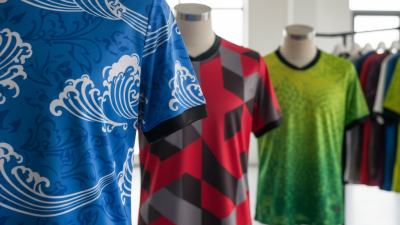
Design plays a crucial role. Fans are now more inclined toward vibrant colors and bold patterns. Research from the Sports Apparel Association indicates that 65% of buyers prefer shirts that resonate with their personal style. This opens opportunities for brands to explore innovative designs that reflect cultural elements and fashion trends. However, not all designs resonate positively. Some may be perceived as overly complex or poorly executed.
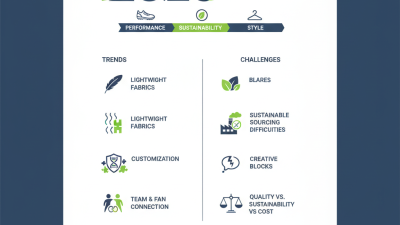
Another factor is the rise of sustainable materials. Reports state that 52% of consumers prefer eco-friendly options. In this evolving landscape, brands must rethink their production processes. Balancing aesthetic appeal and ethical responsibility is essential. The intersection of fashion and sustainability is pressing. Ultimately, Football Jersey Football can attract varied audiences when meeting these demands while considering the cultural relevance of their designs.
Sustainable Materials and Eco-Friendly Options in 2026 Jerseys
As we look towards the 2026 football season, sustainability takes center stage. Fashion in sports is evolving, and jerseys are no exception. Many brands are now focusing on sustainable materials, hoping to reduce their carbon footprints. Reports indicate that consumer demand for eco-friendly products has surged, with 74% of fans preferring sustainably sourced apparel.
These jerseys often utilize recycled plastics and organic fabrics. The use of recycled polyester has increased by 30% since 2020. It not only lowers waste but also cuts water consumption by 20%. Jerseys made from organic cotton require less water and fewer chemicals. Fans not only seek style and comfort but also alignment with their values.
However, challenges remain. The supply chain for sustainable materials can still be complex. Not all manufacturers prioritize ethical production. Transparency is lacking in many companies. Additionally, some consumers question the durability of eco-friendly options compared to traditional materials. This skepticism might hinder wider adoption.
Football Pants Football Pants also show potential in sustainability. Innovations within this sector could lead to breakthroughs. Embracing more eco-friendly materials could help set a new standard. The future of football apparel hinges on these developments.
Key Features to Consider When Buying Football Shirts
When purchasing football shirts, buyers should prioritize several key features. The fit is crucial. A well-fitting shirt enhances comfort and performance. Many players prefer a slim fit, as this allows for better mobility. However, sizing can vary significantly across different manufacturers. It's wise to check sizing charts and read user reviews. Materials used also matter. Breathability and moisture-wicking fabrics keep players cool during intense matches. According to a recent industry report, about 70% of consumers value fabric quality when shopping.
Another essential aspect is the shirt's design. Fashion trends can influence buyer preferences. The latest statistics indicate that color and style choices can impact sales by over 30%. Traditional designs remain popular, but dynamic graphics are gaining traction. Potential buyers should also consider the shirt's durability. A higher-quality shirt may cost more upfront but can last longer than cheaper alternatives. A survey revealed that 65% of consumers experienced fabric wear within only a few months with low-cost options.
Lastly, authenticity and licensing increase a shirt's value. Collectors and avid fans often seek officially licensed merchandise. Availability of these shirts can be inconsistent, affecting consumer choices. Collectively, these features play a crucial role in making an informed purchase. Balancing style, fit, and quality can lead to a satisfactory buying experience.
Top 10 Best Football Shirts for Global Buyers in 2026
The chart below illustrates the key features that global buyers consider when purchasing football shirts in 2026. The categories include Comfort, Design, Material, Brand Reputation, and Price-Value Ratio.
Price Ranges and Budget-Friendly Options for Fans
As the 2026 football season approaches, fans are keen to showcase their support. Choosing the right football jersey is essential. Prices can vary widely. Budget-conscious fans often face challenges in finding high-quality jerseys that won’t break the bank.
When shopping for a football jersey, options abound at different price points. Entry-level jerseys may range from $30 to $50. In this segment, fans can find decent quality. However, some might feel these jerseys lack the durability or design flair of higher-priced alternatives. Mid-range options, typically priced between $70 and $90, often strike a balance between quality and cost. These jerseys usually feature better fabric and more intricate designs. Still, fans should be wary of purchasing online without examining reviews and feedback.
For fans with a more generous budget, premium football jerseys can cost upwards of $100. These often include limited editions and technologically advanced materials. While they provide excellent quality, not every fan can justify such an expense. It’s worth reflecting on personal priorities when making a purchase. Ultimately, it’s about finding the right football jersey that aligns with passion and budget while navigating the world of sports apparel effectively.
Popular Players and Their Impact on Shirt Sales
In 2026, the influence of popular football players on shirt sales will be more significant than ever. Data from recent market research indicates that a player’s popularity can spike shirt sales by up to 200%. Enthusiastic fans often associate themselves with their favorite athletes. When a marquee player performs well, merchandise sales naturally increase.
Market trends suggest that younger demographics drive this growth. According to a survey, 75% of fans aged 18-24 are likely to purchase a shirt featuring a player they admire. This age group spends a substantial portion of their discretionary income on football merchandise. Interestingly, while some fans prefer classic designs, others lean towards the latest styles. This trend creates a unique market dynamic that brands must navigate carefully.
However, it’s not all straightforward. Fan loyalty can be fickle. Players transfer between clubs, affecting shirt sales unpredictably. Furthermore, the rise of social media influencers means that popularity can wane quickly. As players engage with newer platforms, their connection with fans changes. This evolving landscape presents both challenges and opportunities for brands looking to capitalize on athlete popularity.
Global Markets: Where to Buy Football Shirts in 2026
As the 2026 World Cup approaches, global interest in Football Shirts is surging. According to a report by Grand View Research, the global football merchandise market is expected to reach $30 billion by 2026. Countries like the United States, where the tournament will be hosted, are seeing significant growth in apparel sales. This presents an exciting opportunity for fans to showcase their favorite teams.
In 2026, buyers must navigate numerous online platforms and local retailers. Major e-commerce sites will likely dominate sales, yet local stores can provide unique options. The best Football Shirts often combine quality materials with trendy designs. However, consumers should be cautious. The market remains saturated, and counterfeit products can easily mislead fans. Authenticity is vital to ensure that you are investing in a genuine product.
Discounts may be tempting, but price should not be the sole deciding factor. A cheaper shirt might not offer the durability expected. Additionally, delivery times can vary significantly. Some customers may face delays, especially during peak seasons. Researching well ahead of time could result in better choices and a completely satisfying shopping experience.
The Ultimate Guide to Choosing Custom Printing Logo Plus Size Men's T-shirts: Quality, Comfort and Style in 100% Polyester
When it comes to selecting custom printing logo plus size men's t-shirts, quality, comfort, and style are paramount. The ideal choice is a t-shirt made from high-quality 100% polyester, ensuring durability and breathability. This material is not only lightweight but also moisture-wicking, making it perfect for various activities, from casual outings to workouts. Custom printing services provide an opportunity to create unique designs, showcasing personal branding or team logos while ensuring a comfortable fit for larger sizes.
Our custom logo printing service caters specifically to wholesale demands, enabling businesses and organizations to order in bulk confidently. The wear-resistant nature of polyester guarantees that vibrant prints stand the test of time, retaining their color and integrity even after numerous washes. With the versatility of these t-shirts, you can easily cater to diverse brand customization needs, offering styles that appeal to a wide range of customers. Investing in high-quality plus size men’s t-shirts ensures that comfort and aesthetics align, creating garments that not only look good but also feel great.
FAQS
: Football shirt designs and trends are heavily influencing global purchases, especially with major tournaments approaching.
Projections estimate the market could reach $3 billion, indicating high consumer demand for unique jerseys.
Fans tend to prefer vibrant colors and bold patterns that reflect their personal style and cultural elements.
Sustainability is crucial; 74% of fans prefer eco-friendly materials, driving brands to rethink production methods.
Many jerseys use recycled plastics and organic fabrics, reducing waste and lower water usage.
Some consumers question the durability of eco-friendly options compared to traditional materials, which could affect acceptance.
A well-fitting shirt is essential for comfort and performance, but sizes can vary significantly across brands.
Breathability and moisture-wicking capabilities are essential features, with 70% of consumers valuing fabric quality.
Color and style significantly influence sales, with trends suggesting that they can affect purchases by over 30%.
Authenticity and licensing greatly enhance a shirt’s value, especially among collectors and avid fans.
Conclusion
The article "Top 10 Best Football Shirts for Global Buyers in 2026" explores the vibrant world of football shirts, highlighting key trends and considerations for fans looking to purchase these popular items. In 2026, top football clubs will play a significant role in merchandise sales, with popular shirt designs influenced by both aesthetics and player impact. The shift towards sustainable materials and eco-friendly options is also noted, as consumers increasingly prefer jerseys that align with their values.
When buying football shirts, fans should consider essential features such as fit, fabric quality, and design elements. The article also discusses various price ranges, ensuring that there's something for every budget. Additionally, it provides insights into global markets where fans can conveniently purchase these coveted shirts, making it easier than ever to support their favorite teams and players in this exciting year for football.