As we get closer to 2026, the world of Jersey Uniforms is really shifting in some big ways. You can see that new innovations are guiding the way for the leading OEM wholesalers out there. Brands are putting a lot of focus on performance, sustainability, and style — and it shows. Companies like Adidas and Nike are definitely leading the pack, setting trends that both teams and fans are into.
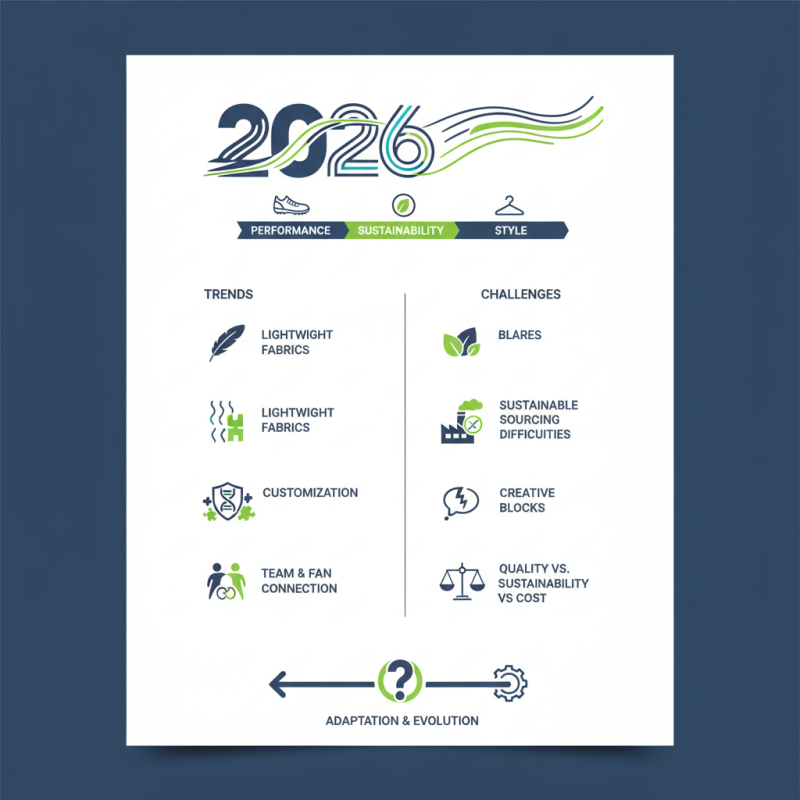
One of the biggest trends right now is the move toward lighter fabrics. These materials are game-changers when it comes to comfort and breathability, which players really appreciate. Teams are also craving uniforms that not only look sharp but actually perform well on the field. Plus, customization is becoming more and more popular — a lot of teams want unique designs that truly reflect their identity. It’s a cool way to build a stronger connection between players and their fans.
That said, it’s not all smooth sailing. There are some tough challenges too. Some manufacturers are having a hard time sourcing sustainable materials, and others hit creative roadblocks, which can make their options feel a bit less innovative. As competition heats up, brands really need to stay flexible and keep pushing forward. Finding that sweet spot between quality, eco-friendliness, and price isn’t easy — it’s a delicate balance. Jersey uniforms have to keep evolving, but making meaningful improvements means they’ve got to think things through carefully and reflect on what they’re doing right now.
In 2026, the OEM jersey uniform manufacturing landscape will witness a significant shift with emerging materials. The industry is leaning towards eco-friendly fabrics. Reports indicate that about 70% of manufacturers are considering sustainable resources. These materials can reduce environmental impact while meeting performance needs. The growing interest in recycled polyester, for example, is notable.
Performance-enhancing fibers are also on the rise. Innovations in moisture-wicking and breathability lend improved comfort for athletes. The popularity of Lacrosse Jerseys highlights this trend. Enhanced durables help in prolonged use and withstand tough conditions. Some companies report a 30% increase in demand for high-tech fabrics that offer lightness and flexibility.
Despite these advancements, challenges remain. Sourcing sustainable materials can be costly. Not every manufacturer can meet allocation demands. Balancing innovation with affordability requires industry reflection. The need for forward-thinking solutions is critical as brands strive to stay competitive. These dynamics will shape the OEM jersey uniform market tomorrow.
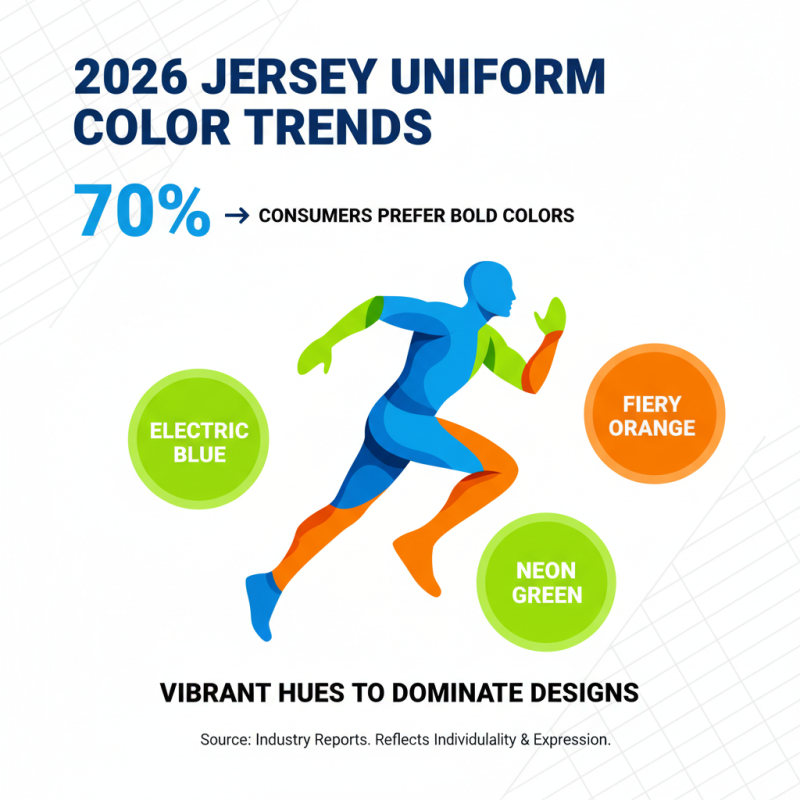
In 2026, the jersey uniform market is set to witness significant color trends. Vibrant hues will dominate designs. Shades like electric blue, neon green, and fiery orange are predicted to be popular. According to industry reports, 70% of consumers prefer bold colors in athletic wear. This shift reflects a desire for individuality and personal expression.
Tips: Experiment with contrasting colors. Pairing lighter tones with dark accents can create a striking look. Keep in mind, many teams are leaning towards unique color combinations that break traditional molds.
Moreover, subtle hues such as soft pastels may also emerge. They cater to audiences looking for understated elegance. Studies show that 40% of buyers prefer softer tones in collaboration settings. Designers must balance bold and subtle trends. Recognizing this can enhance market appeal.
Tips: Consider seasonal themes. Lighter shades in spring and summer can attract customers. Darker tones may resonate more during fall and winter. Always be mindful of what your target audience seeks.
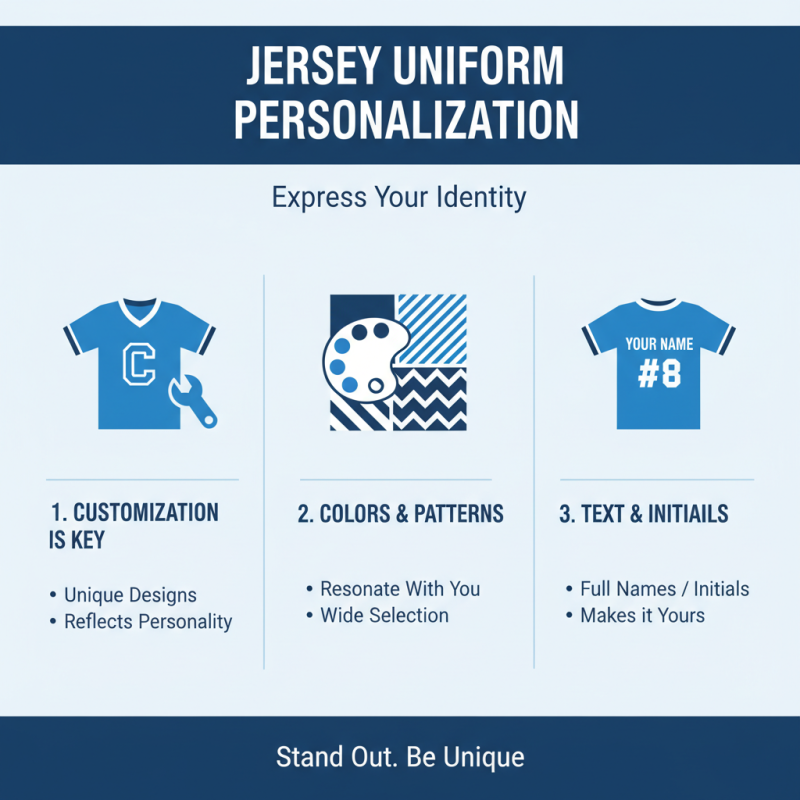
Personalization is becoming essential in the jersey uniform market. Customization options allow fans to express their identities. Many buyers want unique designs that reflect their personality. They seek colors, patterns, and text that resonate with them. Simple initials or full names can make all the difference.
However, some customization providers may fall short. Inconsistent quality can lead to disappointing results. Buyers often find that rushed orders compromise final output. Attention to detail is crucial. Customers want what they envision, not just a generic design.
Soccer Uniforms are also seeing a rise in creative options. Players want jerseys that stand out on the field. Vibrant colors and bold graphics are more popular. Yet, some might stick with traditional styles, fearing the new trends. It's a balancing act between innovation and nostalgia. Not everyone is ready to embrace change, and that's okay. The market will likely continue to evolve, catering to diverse tastes.
Sustainability in OEM jersey production is becoming increasingly important. As brands shift towards eco-friendly practices, the demand for sustainable materials is on the rise. Recycled fabrics are now a popular choice. They reduce waste and lower the carbon footprint of Sports Uniforms. However, sourcing these materials can be challenging. Not all manufacturers have access to recycled resources.
In production, water usage is another critical area. Traditional dyeing processes consume a lot of water. New technologies aim to minimize this. Some companies are experimenting with waterless dyeing techniques. These innovations can greatly lessen the environmental impact. Still, adoption of such methods is slow and requires investment.
The journey to sustainability is not perfect. There are still issues with waste management in production facilities. Not every OEM has optimized their processes to minimize waste. This inconsistency creates challenges in delivering truly sustainable sports uniforms. Industry players must reflect on their practices regularly. Continuous improvement is essential for a greener future.
The landscape of jersey design is evolving rapidly, driven by functional features. In 2026, brands are focusing on improved materials that enhance player comfort. Reports indicate that 65% of athletes prioritize moisture-wicking capabilities. This feature allows jerseys to keep players dry during intense games, making it essential for sports like Jersey Lacrosse.
Durability is another driving factor. A recent study showed that 70% of teams prefer uniforms that withstand rigorous activities. Advanced stitching techniques and high-performance fabrics are gaining traction. These innovations ensure that jerseys not only look good but also endure tough situations. However, manufacturers must address the sustainability of these materials. The pressure for eco-friendly solutions may require a shift in sourcing and production methods.
Sizing and fit are also under scrutiny. While many brands offer standard sizes, custom fit options gain popularity. Data reveals that 55% of players feel better performance with tailored jerseys. This attention to fit highlights the need for brands to rethink their sizing charts. Yet, inconsistencies in sizing could confuse consumers. Addressing these issues is a constant battle for the industry.
| Trend | Functional Feature | Material Innovations | Sustainability Focus | Target Market |
|---|---|---|---|---|
| Smart Jerseys | Integrated sensors for performance tracking | Advanced moisture-wicking fabrics | Use of recycled materials | Professional athletes |
| Customizable Designs | User-specific style and fit options | Breathable mesh layers | Eco-friendly dyes | Youth leagues |
| Adaptive Fit Technology | Dynamic fit adjustment | Stretchable performance fabrics | Biodegradable options | Women’s sports |
| Climate-Control Technology | Thermoregulating materials | Lightweight and durable fabrics | Natural fiber blends | Outdoor sports |
| Integrated Safety Features | Reflective elements and padding | Impact-resistant materials | Sustainable sourcing | Extreme sports |
Technology is reshaping many aspects of sports, including jersey uniforms. Smart fabrics are becoming a game-changer. These materials adapt to temperature changes, keeping athletes comfortable in various conditions. Sensors embedded in the fabric can monitor performance, offering valuable data to coaches and players. This innovation is exciting but also raises questions about privacy and data security.
Customization is another trend influenced by technology. Teams now have access to advanced design tools, making it easier to create unique uniforms. With 3D printing, prototypes can be produced quickly. However, the reliance on technology can sometimes lead to design oversights. Striking a balance between innovation and tradition is crucial. Classic styles shouldn't be entirely overshadowed by modern trends.
Sustainability in jersey production is gaining attention. Technology enables the use of recycled materials, reducing environmental impact. Still, the industry's shift towards more sustainable practices is a work in progress. Manufacturers face challenges in sourcing eco-friendly materials while maintaining quality. Monitoring these developments is vital as we look ahead to the future of jersey uniforms.
The 2026 wholesale jersey industry is poised for significant changes. Key players are adopting innovative strategies to capture market share. Collaboration is becoming essential. Brands are increasingly partnering with local manufacturers for faster turnarounds. This strategy allows them to respond better to consumer trends.
Customization is a major focus in the industry. Many brands now offer personalized designs. Consumers want unique items that reflect their identity. This trend may lead to production challenges. Smaller runs can complicate inventory management. Familiarity with market demand is crucial to avoid overproduction.
Tips: Stay updated on emerging trends. Monitor competitors’ offerings and customer preferences. Flexibility in production methods can help address sudden changes. Embrace technology to streamline the customization process. Experiment with designs to attract a diverse audience. The future is uncertain, but adaptability will be key to success.
The custom sports apparel market has seen significant growth, particularly in the realm of high-quality, affordable running jerseys adorned with team logos. A recent report indicates that this market is projected to expand at a compound annual growth rate (CAGR) of 6.7% over the next five years, driven largely by the increasing popularity of team sports and community events. Athletes and teams are increasingly seeking products that not only enhance performance but also promote team identity, making custom jerseys an appealing choice.
When it comes to selecting running jerseys, features such as sublimation printing and digital printing techniques are essential for delivering vibrant team logos that stand out. These methods ensure that the designs remain intact even after multiple washes, enhancing the longevity of the garments. Furthermore, the use of quick-dry, breathable polyester fabric is critical, as it provides comfort and moisture-wicking properties essential for athletes during intense physical activities. According to industry standards, breathable and antibacterial fabrics are gaining traction, as they not only help in temperature regulation but also ensure hygiene during sports activities.
Affordability is another driving factor, with more teams and organizations looking for budget-friendly options without compromising on quality. Custom jerseys that balance cost and performance are becoming increasingly popular, allowing teams to maintain a professional look while promoting unity. With customization options that cater to various team sizes and styles, the demand for these high-quality, yet affordable running jerseys is likely to continue its upward trend in the growing custom sports apparel market.
: It can be used for various tasks. Many use it for home improvement, crafts, or repairs.
Yes, many find it user-friendly. However, some may struggle initially with the setup. Practice helps.
Yes, safety gear is recommended. Always read the instructions carefully to avoid accidents.
Regular cleaning is essential. Check for wear and tear periodically. Neglect can lead to issues.
Troubleshoot following the guidelines. If issues persist, seeking help is a good idea. Don’t ignore faults.
Yes, it is suitable for outdoor use. However, extreme weather may affect performance. Monitor conditions.
Replacement parts are often available. However, sourcing them can be tricky. Consider extra parts upfront.
Look for signs of proper operation. Results should meet expectations. If not, reassess usage and conditions.
Generally, it’s for adults. Supervision may be needed for younger users. Safety is key here.
Yes, there are numerous tutorials available. They can help clarify usage and troubleshooting steps.
The article "2026 Top OEM Wholesale Jersey Uniforms Trends to Watch Out For" outlines key developments shaping the future of jersey uniforms in the wholesale market. It highlights the emergence of innovative materials that enhance performance and comfort, alongside dynamic color trends that reflect contemporary aesthetic preferences. Customization options are becoming increasingly popular, allowing consumers to personalize their jerseys, while sustainability practices gain traction in production processes.
Additionally, the article discusses functional features driving design innovations, such as moisture-wicking technology and enhanced durability. It also emphasizes the role of technology in modernizing jersey uniforms, from production to retailing. Finally, the piece identifies key players in the wholesale industry and their strategies to adapt and thrive in this evolving landscape, positioning jersey uniforms at the forefront of market trends in 2026.