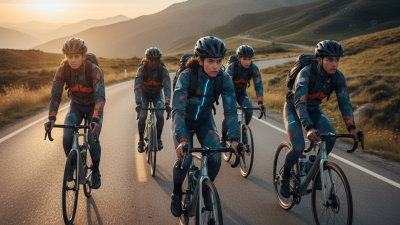
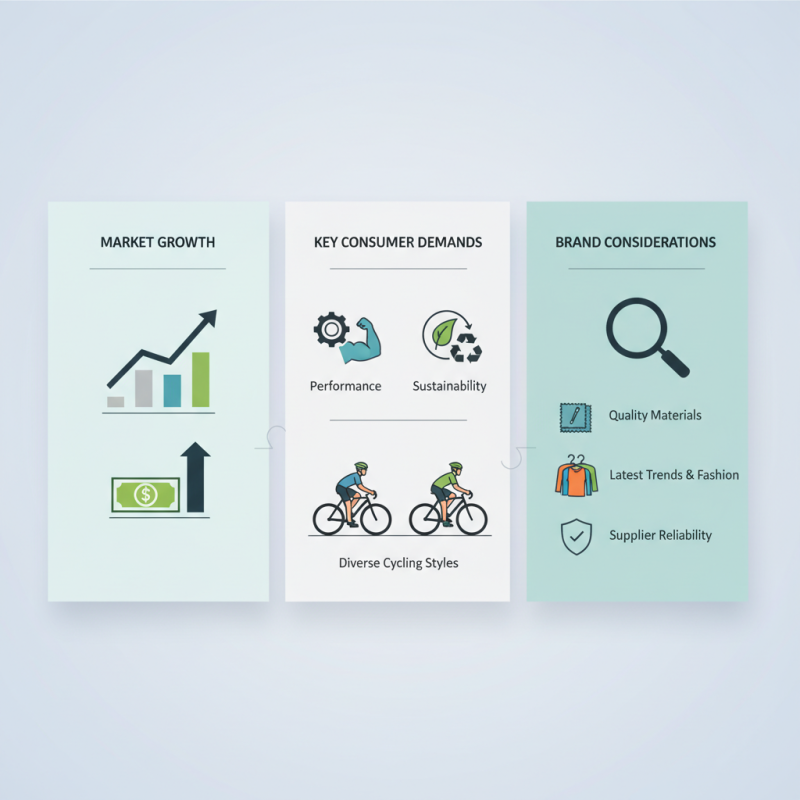
Lately, the demand for biking apparel has really been picking up. I mean, if you look at the stats from Grand View Research, the global market for cycling gear is expected to hit around $4.27 billion by 2025 — no joke! As more folks get into cycling, whether for fun or fitness, brands are scrambling to get a piece of this pretty lucrative pie. But here’s the thing: jumping into this market isn’t just a walk in the park. You’ve gotta be smart about choosing the right OEM wholesale partners.
It’s not just about picking fancy materials. Brands need to keep an eye on what’s trending in biking fashion right now. According to Statista, consumers are really into performance and sustainability these days. Miss the mark on these, and you might find yourself struggling to keep up. Plus, it’s not only about how things look — function really matters too. Picking the wrong supplier could mean bad sales and some serious damage to your reputation.
And, let’s not forget about all the different types of cycling out there. From mountain biking to road cycling, each niche has its own specific apparel needs. Unfortunately, a lot of brands overlook this and end up with generic stuff that just doesn’t click with their target crowd. If you want to stand out, you really need to consider all these factors — otherwise, it’s gonna be a tough journey in the crowded world of biking gear.
Understanding the Importance of OEM in Biking Apparel Industry
In the biking apparel industry, OEM (Original Equipment Manufacturer) plays a crucial role. It allows brands to offer customized products without investing heavily in production. A recent report showed that the global cycling apparel market is projected to grow at a CAGR of 5.6% from 2021 to 2028. This growth highlights the demand for unique and quality biking gear, including Biking Long Sleeve Shirts.
Using OEM can significantly reduce costs. Brands can focus on their designs while manufacturers handle production. However, selecting the right OEM partner is essential. Not all manufacturers meet the same quality standards. Some may struggle with timely deliveries or inconsistent quality. Brands should conduct thorough research and seek feedback from other clients.
Tip: Always request samples before committing to large orders. This ensures the quality meets your brand's standards. Searching for manufacturers with expertise in biking apparel can provide added assurance. Consider suppliers who understand product performance and fabric technology. Such factors can lead to better end products that customers love, enhancing your brand’s reputation.
Identifying Your Target Market for Biking Apparel
Identifying your target market for biking apparel is crucial. Different cyclists have varied needs. Casual riders may prefer comfort and style, while serious cyclists prioritize performance. Knowing this can help you create appealing designs.
Consider demographics like age, gender, and location. Younger audiences often seek trendy looks, while older cyclists might value practicality. Geographic factors influence apparel choices, too. Urban bikers may need multifunctional outfits, while mountain bikers look for durability.
Gather feedback directly from cyclists. This can help you refine your offerings. Attend biking events or connect with local cycling groups. Listen closely to their insights. You might find gaps in the market that others overlook. The key is understanding their desires and preferences.
Evaluating Fabric Choices: Performance vs. Comfort
Choosing the right fabric for biking apparel is crucial. Performance and comfort should be balanced. High-performance fabrics wick moisture away. They help keep the body dry during intense rides. However, overly technical fabrics may sacrifice comfort. A harsh texture can irritate the skin. Always consider the rider's experience.
**Tips:** Test the fabric yourself. Wear it during a short ride. Notice how it feels against your skin. A fabric that feels good is key. Think about how each option impacts wear over time. Will it hold up after multiple washes? Comfort shouldn't fade quickly.
Consider the type of riding your apparel will support. Casual rides may require less technical fabric. In contrast, competitive environments may benefit from advanced materials. Soccer Apparel shares similar challenges. It needs to blend comfort with high performance. You want your brand to be recognized for quality. Finding this balance takes time and reflection. Not all fabrics will work for every situation. Keep experimenting until you find what truly aligns with your brand's needs.
Analyzing Design Trends in Biking Apparel for Brand Differentiation
When exploring design trends in biking apparel, it’s essential to focus on innovation. Colors play a pivotal role in differentiation. Bold hues attract attention, while earthy tones appeal to nature lovers. Patterns also matter; unique graphic designs can set a brand apart. Balancing aesthetics with functionality is crucial. Many brands focus too heavily on style, neglecting comfort and performance.
Another critical aspect is fabric selection. Breathable materials enhance the riding experience. Lightweight textiles can improve mobility, but sometimes durability gets overlooked. Quality stitching adds to the longevity of biking apparel, yet some manufacturers cut corners. This could lead to higher return rates.
The rise of sustainable fashion is noteworthy. Eco-friendly materials are gaining traction among consumers. Not all brands have embraced this shift effectively. Some still rely on traditional production methods. They risk losing a segment of environmentally conscious riders. Exploring options in this area could yield benefits, setting a brand apart in a crowded market. When it comes to design trends in biking or even Lacrosse Apparel, continuous adaptation is key.
Assessing Supplier Capabilities and Production Quality Standards
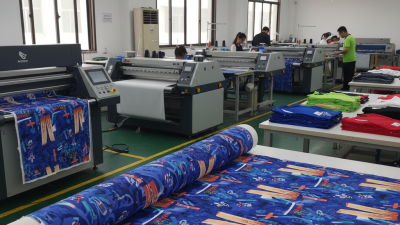
When selecting the right OEM wholesale biking apparel, evaluating supplier capabilities is crucial. You want a partner that understands your vision. Look for suppliers with a robust portfolio. Ask for examples of their previous work. This gives you insight into their design and production quality.
**Tip:** Consider suppliers who offer flexibility in design. Customizable options can enhance your brand identity. Not all suppliers can provide this, so verify their capabilities upfront.
Production quality standards are non-negotiable. Low-quality materials can damage your brand reputation. Evaluate their manufacturing processes. Are they using sustainable practices? This can matter to your customers.
**Tip:** Request samples before making bulk orders. Reviewing the fabric and stitching quality is essential. It helps in making an informed decision. Not every supplier meets high standards, so diligence is key.
Finding the right OEM partner requires thoughtful analysis. Sometimes, you may encounter red flags. Take time to reflect on what these indicate about a supplier's reliability. These moments will shape your brand's future in the market.
OEM Wholesale Biking Apparel Supplier Assessment
This chart displays the assessment of different suppliers based on production quality standards and capabilities in four key areas: Material Quality, Production Capacity, Lead Time, and Pricing. Each category is rated on a scale from 1 to 10, with 10 being the best performance.
Understanding Minimum Order Quantities and Pricing Strategies
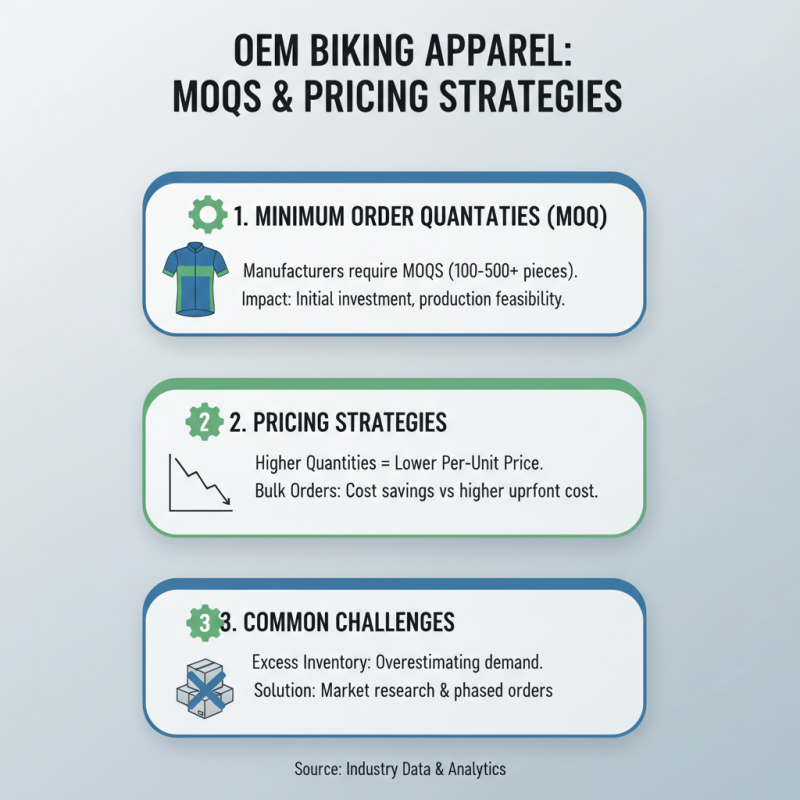
When exploring OEM wholesale biking apparel, minimum order quantities (MOQs) and pricing strategies are essential. Most manufacturers require a MOQ. This can range from 100 to 500 pieces. Higher quantities may yield better prices, but it’s a significant investment. According to industry data, brands often struggle with excess inventory due to overestimating demand.
Understanding pricing is also crucial. Factors like fabric quality, printing techniques, and design complexity affect costs. A simple design using standard fabric is cheaper. In contrast, custom graphics on technical fabrics can significantly increase the price. Data shows that professional bikers are willing to pay up to 30% more for high-quality gear. This indicates a market for premium options, but knowing your target audience is key.
Tips: Always analyze market trends before placing bulk orders. Research competitors’ pricing to avoid pitfalls. Consider start-up brands that started small and expanded as demand grew. Balancing quantity with price is vital. Reflect on your audience needs and test small batches before fully committing.
Navigating Legal Considerations and Compliance in OEM Biking Apparel
When considering OEM biking apparel, legal compliance is crucial. Brands must navigate various regulations. This involves understanding copyright and trademark laws. Ensure designs do not infringe on existing intellectual property. Research is vital. Failing in this area can lead to costly disputes that disrupt business operations.
Additionally, quality standards for materials must be met. OEM manufacturers often have guidelines they comply with. Brands need to be diligent in verifying these standards. Poor quality could tarnish a brand’s reputation. This oversight can be a major setback for growth. It’s essential to ask questions, verify certifications, and seek transparent communication.
Finally, think about ethical manufacturing practices. Consumers are increasingly aware of where their apparel comes from. Brands should prioritize sustainability. Consider the environmental impact of materials and production processes. Reflecting on these aspects ensures that the brand stands for integrity. Biking apparel choices reflect more than just style; they convey values.
How to Choose the Best OEM Wholesale Biking Apparel for Your Brand? - Navigating Legal Considerations and Compliance in OEM Biking Apparel
| Category |
Material |
Size Range |
Compliance Standards |
Average Price ($) |
| Jerseys |
Polyester Blend |
S, M, L, XL, XXL |
CPSIA, REACH |
30.00 |
| Shorts |
Nylon |
M, L, XL |
ISO 14001 |
25.00 |
| Gloves |
Leather |
XS, S, M, L |
EN 420 |
20.00 |
| Jackets |
Gore-Tex |
S, M, L, XL, XXL |
CE, AENOR |
60.00 |
| Socks |
Cotton Blend |
M, L |
Oeko-Tex Standard 100 |
10.00 |
Conclusion
Choosing the best OEM wholesale biking apparel for your brand involves a thorough understanding of the biking apparel industry and its unique demands. Start by identifying your target market to tailor your designs and offerings effectively. The fabric choice is crucial as it affects both performance and comfort, which are key factors for bikers. Stay updated on design trends to differentiate your brand, making your apparel visually appealing while also functional.
Additionally, assessing supplier capabilities and production quality standards is essential to ensure your products meet customer expectations. Be mindful of minimum order quantities and pricing strategies to maintain profitability. Lastly, navigating legal considerations and compliance is critical in the OEM process to protect your brand and ensure smooth operations. By focusing on these aspects, you can successfully select and develop high-quality biking apparel that resonates with your market.