Hey, have you noticed how much the global demand for sports apparel has been growing? It’s crazy—experts are saying the market might hit around $200 billion by 2026. A big player in this scene is the China sports shirts factory industry, which has become pretty essential for companies around the world looking for reliable suppliers. I spoke with Zhang Wei, who’s quite an authority in the field, and he said, 'Quality and innovation are really the key to success in sports manufacturing.' That totally makes sense, right?
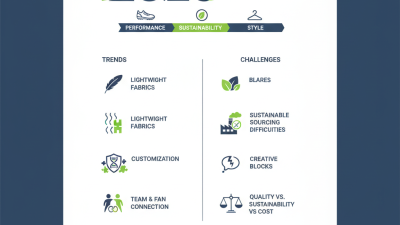
These factories are getting pretty advanced too—adopting newer production techniques and focusing more on sustainable materials and efficient manufacturing. But, of course, it’s not all smooth sailing. There are still hurdles like rising material costs and maintaining top-notch quality control. And let’s not forget, how well a China sports shirts factory is perceived can seriously make or break a brand’s reputation—especially in such a competitive market.
Oh, and speaking of trends, things like Cricket Printed Sports T Shirts are driving the industry to change pretty quickly. Brands want stylish, high-quality designs that really connect with their audiences. But it’s also worth mentioning that people are watching closely—there’s ongoing scrutiny around labor practices and environmental impacts. So, for factories, it’s all about constantly improving if they want to keep up and meet global expectations.
Honestly, it’s a pretty fascinating industry to watch, with lots of moving parts, but the passion for growth and innovation is definitely there.
Overview of China’s Sports Shirt Manufacturing Industry
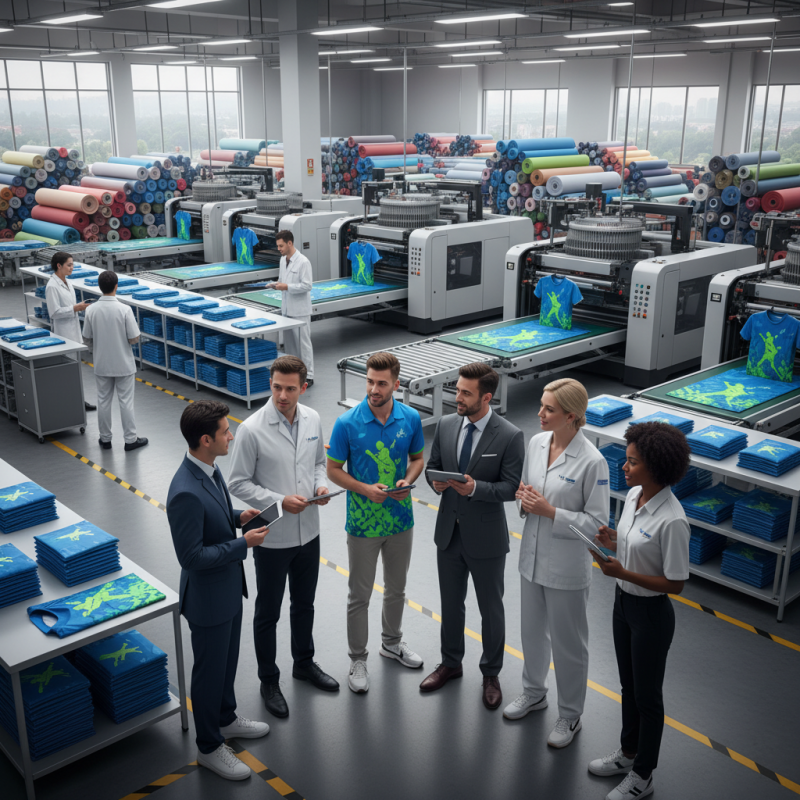
China's sports shirt manufacturing industry has grown significantly over the last decade. As of 2023, the market generated around $25 billion in revenue. This growth is driven by rising global demand for athletic wear. Reports indicate that production volume in the country reached approximately 2 billion units last year. Many global buyers turn to China for its competitive pricing and efficient supply chains.
The industry faces challenges, too. Labor costs have increased as workers seek better wages and conditions. In some regions, factories struggle to maintain production levels due to worker shortages. Sustainability is another pressing issue. Many manufacturers are under pressure to adopt eco-friendly practices. Reports show that only 30% of factories meet international environmental standards. Buyers are increasingly concerned about the social and environmental impact of their sourcing decisions.
Innovation plays a key role in this sector. Recent advances in fabric technology have improved performance and comfort. However, the industry must adapt to changing consumer preferences. The rise of athleisure wear has shifted demand towards stylish yet functional designs. Balancing quality and affordability remains a challenge for manufacturers. The future of China’s sports shirt industry will require continual adaptation and reflection on these evolving dynamics.
Key Features to Consider When Choosing a Factory in China
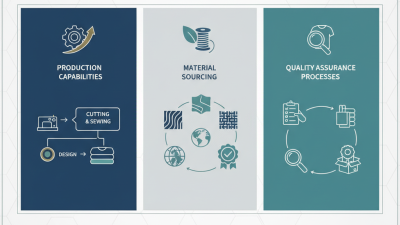
Choosing the right factory for manufacturing Sports Team Shirts in China involves several key features. Quality control is paramount. A factory must have strict quality assurance processes in place. According to a 2022 report from the China National Textile and Apparel Council, around 30% of products fail quality checks. This statistic emphasizes the importance of rigorous inspections.
Cost is another significant factor. Manufacturers may offer attractive pricing, but hidden fees can inflate expenses. A thorough understanding of pricing structures is crucial for global buyers. Transparency in cost helps prevent unforeseen financial burdens. A 2021 survey revealed that 40% of companies faced price discrepancies after production began.
Additionally, communication plays a vital role. Clear lines of communication can reduce misunderstandings. Many buyers report issues due to language barriers. Research indicates that effective communication leads to smoother production processes. Establishing a direct relationship can build trust. However, some factories may struggle to respond promptly. It is essential to weigh these factors carefully when selecting a factory for sports team shirts.
Top Factors Influencing Quality of Sports Shirts in China
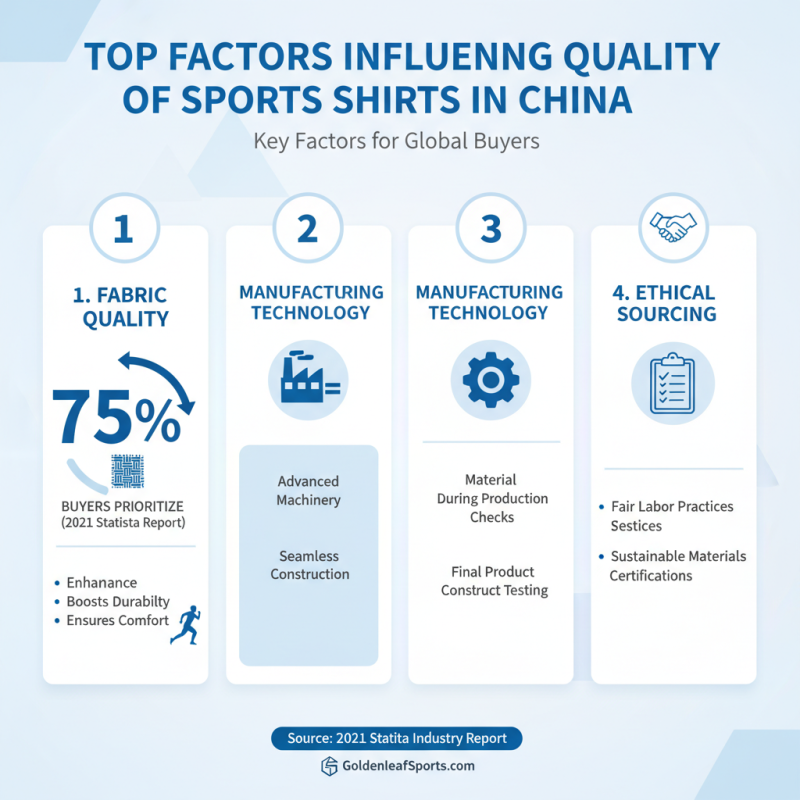
When sourcing sports shirts from Chinese manufacturers, several key factors impact quality. Understanding these can help global buyers make informed decisions. According to a 2021 industry report by Statista, 75% of buyers prioritize fabric quality when assessing Sports Uniforms. High-quality materials enhance performance and durability, ensuring athletes remain comfortable.
Another significant element is manufacturing practices. Many factories are transitioning to sustainable practices, which also affect shirt quality. A 2022 study showed that 68% of successful manufacturers adopted eco-friendly methods, improving their products' appeal. This change reflects a commitment to quality and social responsibility, increasingly important to global consumers.
Lastly, certifications play a crucial role. Buyers should look for factories that meet international standards. According to a market analysis by Global Industry Analysts, 60% of consumers consider certifications as a credibility indicator. Factories that invest in quality assurance practices often deliver better sports uniforms. However, not all manufacturers uphold these standards consistently, leading to variability in quality. This inconsistency can challenge buyers, highlighting the need for diligent research and careful evaluation.
Leading Manufacturers in China for Sports Shirts: A Comparative Analysis
In the fast-evolving landscape of sports apparel, China stands out as a leading manufacturer of sports shirts. Recent industry reports indicate that the sportswear market in China is projected to reach $70 billion by 2026. Consumer preferences are shifting toward functional and stylish apparel. This trend positions Chinese factories as prime players in the global sports shirt market.
Leading manufacturers focus on quality while balancing cost and sustainability. Many companies from China utilize advanced technology in fabric production, ensuring durability and comfort. Certifications such as Oeko-Tex and ISO 9001 boost their credibility. However, not all manufacturers meet these standards, leading to variability in product quality. Buyers should carefully evaluate suppliers to mitigate risks.
Tips for buyers: Always request samples before placing large orders. This practice reveals the true quality of materials. Additionally, looking for factories that offer transparency in their supply chain can enhance trust. Another approach is to engage in factory visits, which provides insights into production practices.
The demand for specialized sports shirts, including those for niche markets like All Sports Cricket, is on the rise. Manufacturers must adapt their offerings to cater to specific sports. This is essential for brands looking to target diverse consumer segments.
Sustainability Practices in China's Sports Shirt Factories
Sustainability in China's sports shirt factories is an evolving topic. Recent reports indicate that approximately 76% of these factories are now implementing eco-friendly practices. This shift is crucial as the global demand for sustainable fashion rises. Companies are seeking suppliers that prioritize environmental impact reductions, such as using organic materials and reducing water consumption.
In 2022, a study found that China's textile industry contributed to 7% of the world's carbon emissions. As a response, many factories are investing in cleaner technologies. For instance, water-saving techniques have led to a 30% reduction in water use during production. Solar energy is also becoming popular, with 25% of factories incorporating solar panels to power their operations. These practices are steps toward a greener future, yet challenges remain.
Not all factories have embraced sustainability equally. Some still rely heavily on resource-intensive methods. The disparity raises questions about the long-term viability of less adaptable factories. Additionally, consumer awareness is rising, but misunderstandings about sustainable practices persist. Many buyers struggle to differentiate genuinely eco-friendly products from those marketed as such.
Export Regulations and Compliance for Sports Shirts from China
When considering sports shirt exports from China, understanding regulations is crucial. Compliance with international standards ensures smoother transactions. Exporters must consider quality control, labeling requirements, and testing for safety and performance. These factors significantly affect marketability.
Navigating compliance can be challenging. Some manufacturers may lack experience in dealing with specific regulations. It's essential to verify that the factory understands export documentation and customs procedures. The wrong paperwork can lead to delays. Import tariffs and quotas might also impact pricing and availability.
Many buyers overlook the significance of sustainability in textiles. Eco-friendly practices are becoming vital in global markets. Factories must adopt sustainable methods to meet buyer expectations. However, transitioning to greener practices requires time and investment, and not all plants are prepared for such change. Being aware of these issues can lead to better sourcing decisions.
Future Trends in China's Sports Shirt Manufacturing Sector
The sports shirt manufacturing sector in China is evolving rapidly. Recent reports indicate that the market size for sports apparel is projected to reach $90 billion by 2026. This growth is driven by increasing health awareness and a booming fitness culture. As global buyers seek high-quality, affordable sportswear, Chinese factories are adapting to these demands.
A significant trend is sustainability. Many manufacturers are shifting toward eco-friendly materials. Reports suggest that around 70% of consumers prefer brands that prioritize sustainability in production. However, the adaptation process is not without challenges. Some manufacturers struggle with the costs associated with sourcing sustainable fabrics. This poses a dilemma for companies aiming to balance profitability and environmental responsibility.
Innovation in manufacturing techniques is another focus area. Factories are investing in advanced technologies to improve efficiency. For instance, automation in production lines can reduce labor costs and increase output. Yet, many small to medium-sized enterprises find it difficult to implement these technologies due to high upfront costs. As they strive to remain competitive, finding effective solutions is vital for their survival in the global market. In this context, providing high-quality Sports Uniform Cricket apparel becomes a vital opportunity and a testing ground for innovation.
2026 Best China Sports Shirts Factory for Global Buyers
| Factory Location |
Annual Production Capacity |
Main Fabric Type |
Sustainability Certification |
Major Markets |
| Guangdong |
1,200,000 units |
Polyester |
ISO 14001 |
North America, Europe |
| Zhejiang |
850,000 units |
Cotton Blend |
Oeko-Tex |
Asia, Australia |
| Jiangsu |
1,500,000 units |
Nylon |
GOTS |
Middle East, South Africa |
| Shandong |
900,000 units |
Rayon |
WRAP |
Latin America, Europe |
| Sichuan |
650,000 units |
Bamboo Fiber |
SA8000 |
North America, Australia |
Comprehensive Guide to Choosing Wholesale Customized Unisex 100% Cotton T-Shirts for Your Business
When it comes to selecting wholesale customized unisex 100% cotton T-shirts for your business, there are several key factors to consider. Firstly, the fabric type plays a crucial role in the overall comfort and wearability of the shirts. Opting for premium 100% cotton ensures that the T-shirts are not only soft against the skin but also highly breathable, making them perfect for various activities. Whether your customers are looking for something casual to wear daily or need a dependable option for outdoor events, these T-shirts meet both requirements seamlessly.
Moreover, customization options allow businesses to express their unique brand identity. High-quality sublimation printing can transform a simple T-shirt into a canvas for creativity, enabling you to showcase vibrant designs and logos that resonate with your target audience. The adaptability of unisex styles means that these T-shirts can appeal to a broad customer base, ensuring they are suitable for anyone, regardless of gender. Investing in customizable 100% cotton T-shirts not only enhances your product offerings but also strengthens brand recognition and customer loyalty. By focusing on these critical aspects, your business will be well-positioned to thrive in the competitive apparel market.
FAQS
: Quality control is crucial. Many products fail quality checks, highlighting the need for strict inspections.
Costs are significant. Hidden fees can inflate expenses, so understanding pricing structures is vital.
Clear communication reduces misunderstandings. Language barriers can lead to production issues, so building trust is key.
The market is growing, projected to reach $90 billion by 2026, driven by health awareness and fitness culture.
Many factories are using eco-friendly materials. However, sourcing sustainable fabrics can be costly and challenging.
Factories are investing in advanced technologies. Automation can lower labor costs, but small businesses may struggle with costs.
Balancing profitability and environmental responsibility is difficult. The costs of sustainable materials can hinder progress.
Transparency prevents unforeseen financial burdens, helping buyers manage budgets effectively throughout production.
Many find it challenging to implement new technologies. They need effective solutions to remain competitive in the market.
Buyers should evaluate quality, costs, communication, and sustainability practices before making a decision.
Conclusion
The article titled "2026 Best China Sports Shirts Factory for Global Buyers?" provides a comprehensive overview of the sports shirt manufacturing industry in China. It emphasizes the critical aspects that global buyers should consider when selecting a China sports shirts factory, such as quality control, production capacity, and customization options. The comparative analysis of leading manufacturers highlights key factors influencing the quality of sports shirts, including textile technology and craftsmanship.
Furthermore, the article addresses the importance of sustainability practices in Chinese factories, outlining the growing trend towards environmentally friendly production methods. It also discusses export regulations and compliance requirements, ensuring that international buyers are well-informed about the legal framework when importing sports shirts. As the manufacturing sector evolves, future trends indicate a shift towards innovative designs and enhanced supply chain efficiency, positioning China as a pivotal player in the global sports apparel market.