Making a logo shirt that truly stands out isn’t just about slapping on a cool design. It takes some real thought and good design sense. Emily Taylor, a branding pro over at BrandForge, puts it nicely: “A logo shirt isn’t just clothing; it’s basically a walking billboard.” That really shows how much potential there is in using logo shirts to get your brand out there.
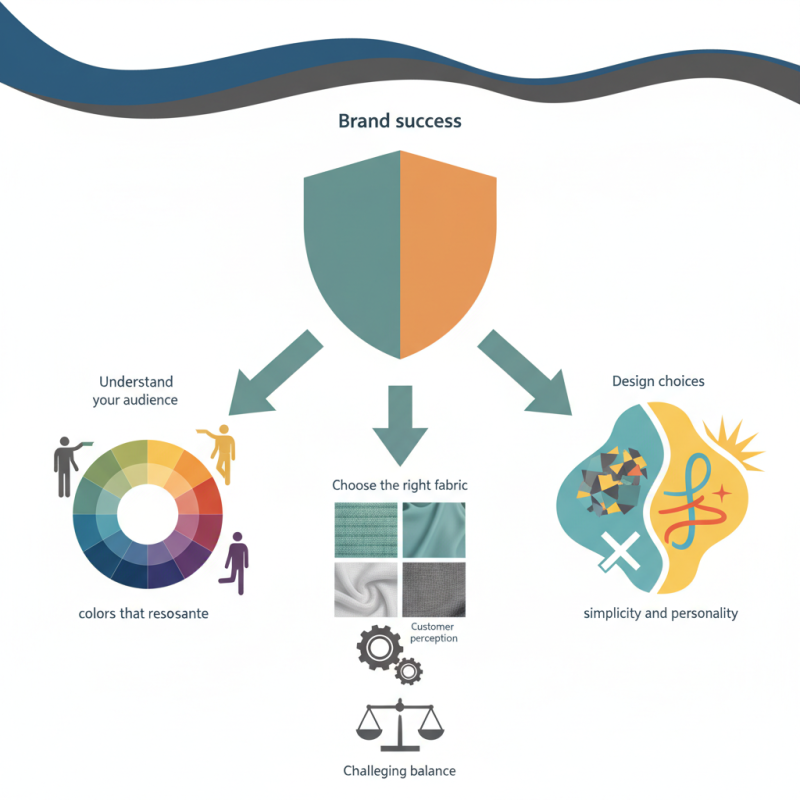
Understanding who you’re making these shirts for is super important. Start by picking colors that really speak to your audience — what do they connect with? Also, don’t forget about the fabric. Something comfy like cotton is great, but keep in mind it might not last forever if it gets a lot of wear.
When it comes to design, less is often more. A super busy logo can just confuse people — sometimes simple, clean designs make the biggest impact. But hey, simplicity doesn’t mean boring! You wanna add a little personality, make your shirts memorable. A unique, interesting design can really help you stand out in a crowded market, although finding the right balance can be tricky sometimes.
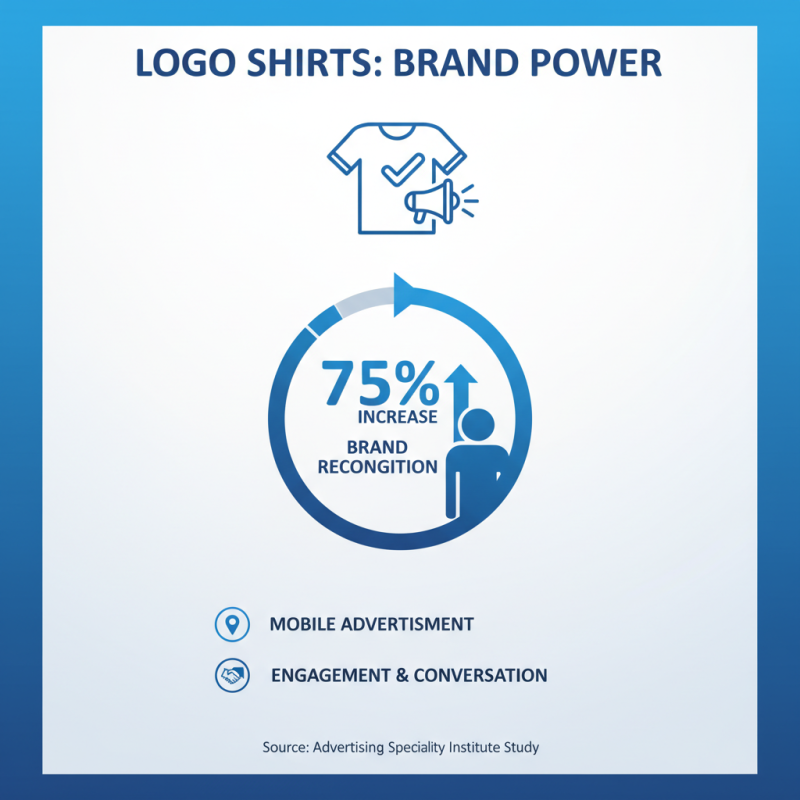
Logo shirts are a vital piece of a brand's identity. They serve as mobile advertisements, showcasing your logo and message wherever they go. According to a study by the Advertising Specialty Institute, logoed apparel can increase brand recognition by up to 75%. This statistic highlights the direct impact logo shirts have on consumer perception. With every wear, they create an opportunity for conversation and engagement.
However, designing a successful logo shirt requires careful consideration. It’s not just about slapping a logo on a shirt. The choice of fabric, color, and fit can greatly influence public perception. A 2021 survey revealed that 70% of consumers prefer comfortable materials. Neglecting this might result in shirts that sit unused in closets. The look of the logo also matters. A poorly designed logo can misrepresent your brand and create confusion.
Moreover, there’s a fine line between trendy and timeless. Fads fade quickly, leaving behind outdated apparel. It's crucial to strike a balance. Picking sustainable materials could resonate well with conscious consumers. Yet, this often comes with a higher cost. Reflecting on these challenges is essential. Each decision shapes how customers view your brand and its mission.
Identifying your target audience is crucial for effective logo shirt design. Knowing who your customers are shapes your design choices. For instance, a recent industry report shows that 75% of consumers prefer custom designs that reflect personal style. This highlights the need to understand preferences and trends.
When designing logo shirts, consider age, interests, and lifestyle of your audience. For younger audiences, bold colors and modern graphics perform well. In contrast, older demographics may favor classic styles and subtle designs. Research from the Fashion Institute revealed that 60% of buyers feel more connected to brands that align with their personal identity.
**Tips:** Engage with your audience through surveys or social media. This way, you can discover what resonates with them. Test different designs with small focus groups. Analyze their feedback. It offers valuable insights. Remember, each design should feel authentic to the customer. Failing to connect can lead to wasted resources and missed opportunities. Keep iterating on your concepts based on audience reactions.
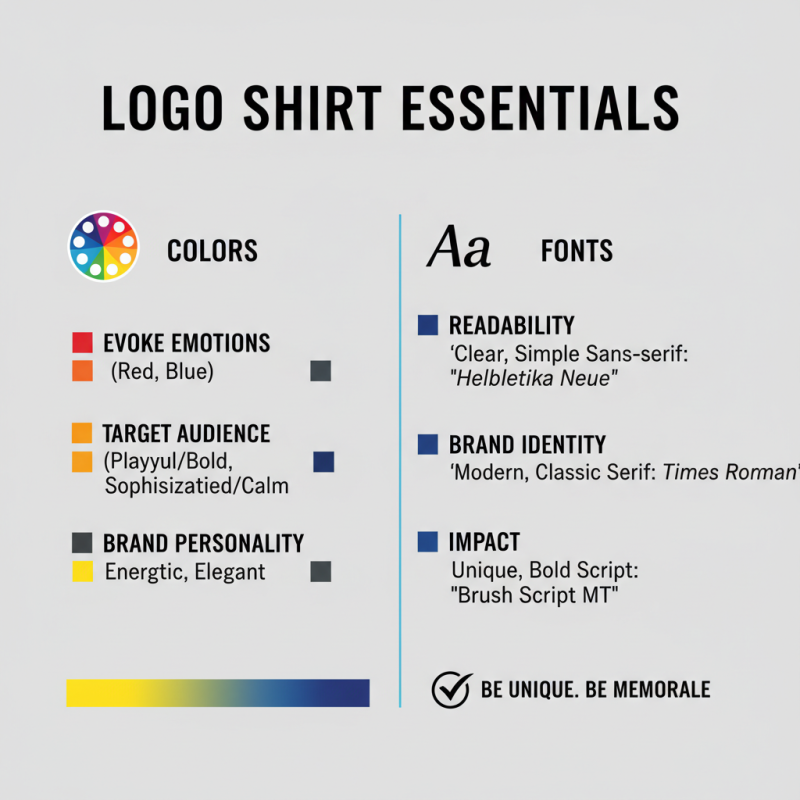
Choosing the right colors and fonts for your logo shirt can set your brand apart. Colors evoke emotions and create memories. Consider your target audience when selecting hues. Vibrant shades can attract attention, while muted tones may convey sophistication. Experiment with combinations that reflect your brand's personality.
Fonts are equally important. A playful font can show creativity, while a bold typeface may indicate strength. Ensure the font is readable on various shirt colors. Too intricate fonts can be hard to decipher. Keep it simple yet memorable. Test different options and seek feedback from potential customers.
Reflecting on your choices is crucial. What feelings do you want your brand to evoke? Are the colors aligning with your vision? Pay attention to how design elements impact perception. These choices will ultimately influence your brand's recognition and success. Remember, design is a journey. It's okay to revise and evolve your ideas over time.
Creating a powerful logo for apparel requires careful thought. Start by considering the colors. Bright, bold hues can catch attention, but sometimes subtle tones work better. Choose shades that align with your brand's message. A misstep here could confuse potential customers.
Fonts play a crucial role too. They should be easy to read. Script fonts might seem stylish, yet they can be hard to decipher from a distance. Experiment with different styles to discover what resonates. Clarity should always be the priority.
Incorporating unique shapes or symbols can enhance your logo. Think about how these elements tell your story. Are they instantly recognizable? Don’t shy away from feedback. Testing different designs with your audience can reveal what truly connects with them. Trust your instincts, but be open to change. A logo is often the first impression of your brand. Make it count.
Selecting the right fabric and shirt styles is crucial for effective logo shirts. A good choice enhances comfort and longevity. According to a survey by the Custom Apparel Association, 70% of customers prefer high-quality materials. Cotton is a popular option. It breathes well and feels soft against the skin. Yet, 30% of buyers sometimes choose blends for their durability.
When it comes to shirt styles, the options vary widely. T-shirts, polos, and hoodies are among the favorites. Each style offers different branding opportunities. Hoodies, for instance, are sought after in colder climates. They can display logos prominently and are often used for events or teamwork. On the flip side, not every style suits every demographic. Brand identity must align with the chosen style.
Reflecting on customization, remember that texture matters. A smoother fabric might showcase a logo better than a rough one. Printing on varying textures can lead to different impressions. If you overlook these details, your logo may not stand out. It's important to test how your chosen fabric interacts with graphic prints. Experimentation might reveal unexpected results.
| Fabric Type | Shirt Style | Weight (GSM) | Customization Method | Best Use Case |
|---|---|---|---|---|
| Cotton | T-Shirt | 180 | Screen Printing | Casual Wear |
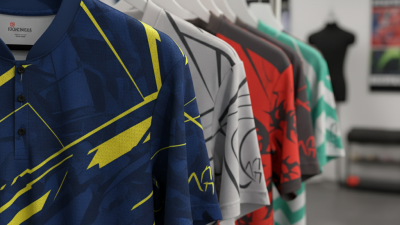
| Polyester | Polo Shirt | 150 | Heat Transfer | Sports & Event |
| Blend (Cotton/Polyester) | Tank Top | 160 | Embroidery | Summer Events |
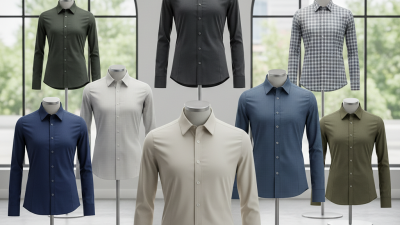
| Linen | Button-Up Shirt | 200 | Sublimation | Formal Wear |
| Bamboo | Graphic Tee | 140 | Direct-to-Garment | Eco-Friendly Fashion |
Designing a versatile logo shirt is crucial for any brand. A wearable shirt should blend
comfort and style effortlessly. Think
about fabric choices that feel good on the skin. Soft cotton or breathable blends work well. The fit matters, too.
A relaxed cut suits various body types and enhances wearability.
When creating your logo, color choice is vital. Bold colors catch attention,
but they can be polarizing. Test your palette with different audiences. Subtle designs sometimes make a stronger impact.
Consider how the logo integrates into different outfits. A simple yet clear logo can become a staple in someone’s
wardrobe.
Reflect on feedback from your target market. Not every design will resonate. Some ideas might fall flat.
Be open to revising and improving your concepts. This process shapes a successful logo shirt that people want to wear.
Balancing originality with approachability is key.
Create something memorable yet versatile enough for daily wear.
When it comes to promoting your logo shirts, engaging visuals are crucial. High-quality images of your products can attract customers. Use lifestyle photography that showcases your shirts in real-life settings. This helps potential buyers imagine wearing your designs. However, it’s essential to avoid overly edited photos. People appreciate authenticity. Sometimes a raw, unpolished look creates a deeper connection.
Utilizing social media platforms is another effective strategy. Create engaging posts that highlight your logo shirts. Try sharing stories behind your designs. Involve your audience in the creative process. Ask for their opinions or feedback. This approach can generate excitement and boost interaction. But remember, not every post will resonate. Be prepared for mixed reactions and adjust accordingly.
Collaborating with influencers or local artists can also be beneficial. Their endorsement can introduce your brand to new audiences. Consider hosting events or giveaways for added engagement. However, it’s crucial to choose partners that align with your brand values. Misalignment can backfire and dilute your message. Stay open to experimenting, but reflect on what works best for your audience.
The apparel industry is witnessing a notable shift towards inclusivity, with an increasing demand for customizable men's plus size jackets. According to a recent market research report, the global market for plus size apparel is projected to reach $292 billion by 2023, driven by the growing need for stylish options catering to diverse body types. This growth trend presents a unique opportunity for brands to tap into this underserved segment by offering tailored options that emphasize both comfort and style.
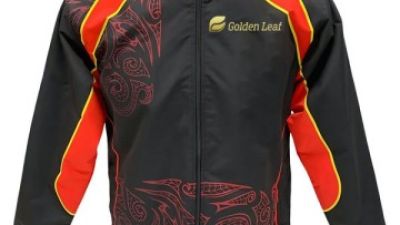
One standout product in this category is the tailored men's windbreaker, featuring a smooth zipper closure. Designed to be lightweight and windproof, this jacket is an excellent choice for both team uniforms and casual wear. Its customizable nature allows for variations in colors and patterns, providing customers with the freedom to express their individuality while ensuring a perfect fit. Data indicates that 73% of consumers are interested in personalized clothing, highlighting the importance of customization in today’s market.
As the market for plus size apparel continues to expand, providing options like the stylish men's windbreaker will not only enhance customer satisfaction but also align with broader trends towards body positivity. By focusing on comfort, style, and personalization, companies can cultivate loyalty among customers seeking functional yet fashionable solutions that cater specifically to their needs.
: It can enhance everyday tasks. Users report improved efficiency. Many find it easy to use.
Simple steps are needed. Follow the included instructions. Practice makes perfect, so try repeatedly.
Generally, yes. However, younger users may need supervision. Adults should assess individual needs.
Troubleshooting tips are available. Check the manual for common problems. Contact support if needed.
Yes, it can handle outdoor conditions. However, avoid extreme weather. Protect it from heavy rain.
Use a damp cloth for most surfaces. Avoid harsh chemicals. Regular care extends its life.
Review the return policy. Often, there is a limited time for cancellations. Ensure the product is unused.
Warranties may be offered. Check specific terms and conditions. Understand what is covered, and for how long.
Sharing is possible but may require some adjustments. Ensure everyone understands how to use it safely.
Yes, regular checks are necessary. Some parts may need replacement over time. Understanding this helps with longevity.
Logo shirts play a crucial role in establishing a brand's identity, serving as a visual representation that resonates with customers. To create effective logo shirts, it's essential to understand your target audience, as this knowledge influences design choices, from colors and fonts to the overall style of the apparel. Selecting the right elements for your logo design ensures brand recognition, while the choice of fabric and shirt style can enhance comfort and appeal.
Furthermore, designing logo shirts with versatility in mind allows for broader usage, making them suitable for various occasions. To maximize their impact, implementing strategic marketing efforts will help promote your logo shirts and strengthen your brand presence. By carefully considering these aspects, businesses can harness the full potential of logo shirts in their branding endeavors.