When it comes to sports gear, Hockey Shirts really play a big role, right? They’re pretty much essential whether you're out on the ice or cheering from the stands. China’s a major player in making these shirts—there are tons of factories out there specializing in them. Most of these companies focus on giving you good quality, cool designs, and reasonable prices.
For example, Yujin Sports is known for offering customization options—super handy if you want something unique. Then there’s Jinjiang Lijie, which is praised for making really durable shirts. These manufacturers have built solid reputations for delivering great products. But, honestly, finding the right factory can be a bit tricky. Not everyone hits the mark on quality control, which is a pretty big deal for buyers.
A lot of companies will tell you they meet high standards, but it’s worth digging around a bit before making your choice. Sometimes, the customer service isn't up to par, or deliveries get delayed—things you definitely want to avoid. Spending some time researching your options can save you headaches down the line. After all, hockey shirts should be crafted with attention to detail and craftsmanship—you really want the best for your team or fans. In this pretty competitive market, knowing your options makes all the difference, don’t you think?
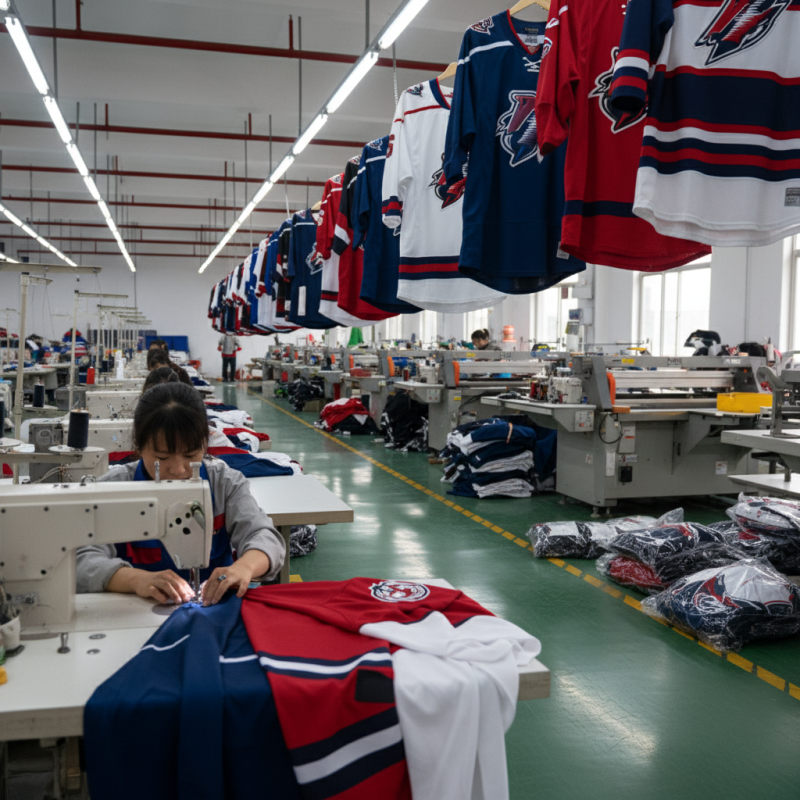
In recent years, the demand for customized hockey apparel has surged. Many factories in China now specialize in producing hockey shirts. The manufacturing sector in China accounts for over 30% of the global sportswear market. This growth is driven by a rising interest in hockey worldwide, along with more people playing the sport.
Manufacturers focus on quality and design. They use advanced fabrics that enhance performance. For instance, moisture-wicking technology ensures players stay dry. Common types include Long Sleeve Hockey T Shirts, favored for their versatility and comfort. Reports show that around 70% of hockey players prefer long-sleeve shirts for colder climates.
Tips: Always verify factory certifications. Quality control is key. Low prices might compromise quality. Make sure to ask for samples before placing large orders. Communication with the factory can prevent misunderstandings. Understanding the manufacturing process can lead to better choices. Be mindful of time zones and lead times for production.
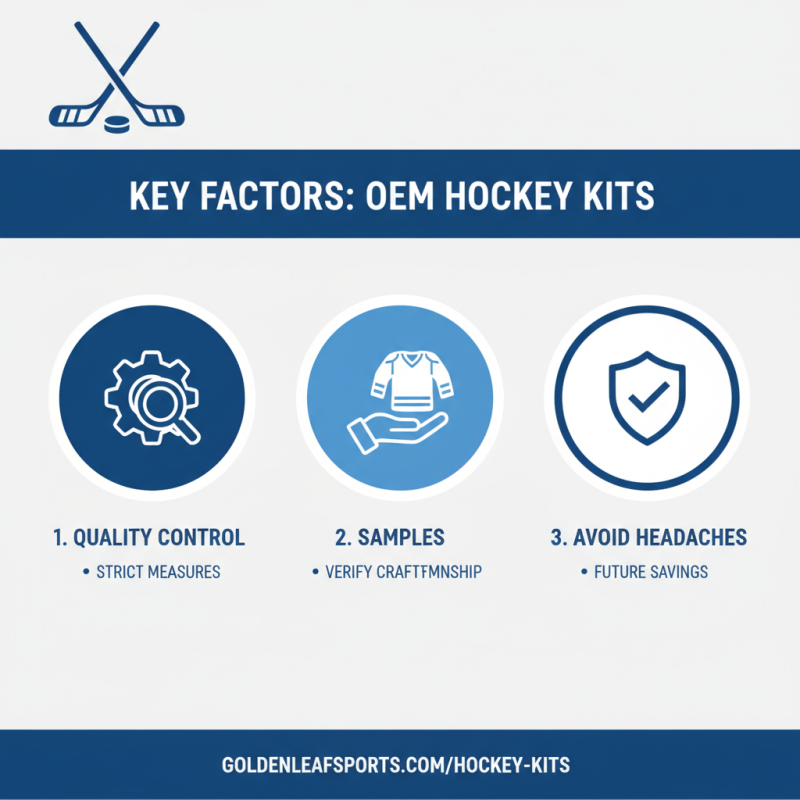
When selecting an OEM factory for Hockey Kits, a few key factors are crucial. Quality control stands out. Ensure the factory employs strict measures. Ask for samples to verify craftsmanship. This step can save future headaches.
Another important factor is communication. A good factory should be responsive. Delays in communication can lead to misunderstandings. Make sure they understand your specific needs for the hockey kits. Clear language helps avoid confusion.
Consider the factory's production capacity. Can they meet your order volume? Sometimes, smaller factories may not deliver on time. It might be tempting to choose a factory based on price alone. However, low-cost factories may compromise quality.
Tip: Always visit the factory if possible. Seeing the operation firsthand can reveal a lot. Evaluate their working conditions and commitment to quality.
Tip: Look into customer reviews. They can provide insights into reliability. Past client's experiences matter. They help gauge whether the factory is worth your investment.
When selecting hockey shirt manufacturers in China, several key criteria come into play. Quality is paramount. Examine the materials used. High-quality fabrics ensure comfort and durability. Look for manufacturers that prioritize breathable, moisture-wicking materials. These aspects contribute to overall performance for players.
Another important factor is production capacity. Evaluate how many units they can produce within your timeline. Can they meet large orders? Timeliness is crucial, especially with tight schedules for tournaments. Communication also matters. Can the manufacturer provide timely updates and respond to queries? Good communication can prevent costly mistakes.
Pricing is significant too. Compare prices among various manufacturers. Cheaper isn't always better. Sometimes, low prices reflect poor quality. Transparency in costs leads to better budgeting. Additionally, check reviews and feedback from previous clients. This can highlight potential issues. Finding a reliable partner for Hockey Wear takes careful consideration and research. Each decision impacts the final product and your brand's reputation.
| Factory Location | Manufacturing Capacity (Units/Month) | Years in Business | Main Materials Used | Special Features |
|---|---|---|---|---|
| Shenzhen | 50,000 | 15 | Polyester, Cotton | Eco-friendly printing |
| Guangzhou | 30,000 | 10 | Polyester, Stretch Fabric | Moisture-wicking technology |
| Dongguan | 70,000 | 20 | Nylon, Cotton | Custom design services |
| Hangzhou | 40,000 | 12 | Cotton, Blended Fabrics | Quick dry technology |
| Ningbo | 25,000 | 8 | Polyester, Eco-friendly dyes | Anti-odor treatment |
| Wuhan | 35,000 | 18 | Polyester, Sweat-wicking materials | UV protection |
| Xiamen | 60,000 | 14 | Cotton, Performance fabrics | Reflective materials |
| Tianjin | 45,000 | 11 | Polyester, Bamboo fiber | Lightweight design |
| Shanghai | 55,000 | 16 | Recycled materials | Durable stitching |
| Chengdu | 20,000 | 7 | Cotton, Spandex | Custom fit options |
When it comes to China OEM hockey shirt factories, several stand out. These factories specialize in producing high-quality shirts for various hockey teams. They often manage large orders and provide personalized services, from fabric selection to design customization. The technology used in these factories can enhance production efficiency. However, some factories struggle with consistent quality control.
Many factories boast advanced manufacturing processes. They invest in automated equipment to improve precision. This offers a better product but doesn’t eliminate human error completely. Issues can arise, such as sizing discrepancies and misprints. Additionally, communication barriers can lead to misunderstandings between buyers and factories. It's essential to ensure clear guidelines are established.
Sustainability is becoming more important, yet not all factories prioritize eco-friendly practices. Some continue using non-sustainable materials due to cost. Others are making efforts to adopt greener methods. Prices vary widely across these manufacturers. Potential buyers must carefully assess their options. They need to consider quality and ethical practices alongside cost.
The production of hockey shirts has undergone significant innovation in recent years. Advanced textile technologies are transforming how teams showcase their identity. According to recent industry reports, over 65% of hockey shirt manufacturers now utilize moisture-wicking fabrics. These materials help players stay dry and comfortable during intense games.
Sublimation printing is another critical advancement. It allows for vibrant, full-color designs that do not fade over time. This technique has gained popularity, as it provides greater durability and customization options. A study indicated that more than 70% of teams prefer sublimated designs for their uniforms.
However, challenges remain. Integrating eco-friendly materials is a growing concern. Many manufacturers aim for sustainable practices, yet less than 30% have fully embraced recycled fabrics. Balancing quality, performance, and environmental impact continues to be a tough struggle for many in the industry. As production techniques evolve, so does the need for reflection on sustainable growth.
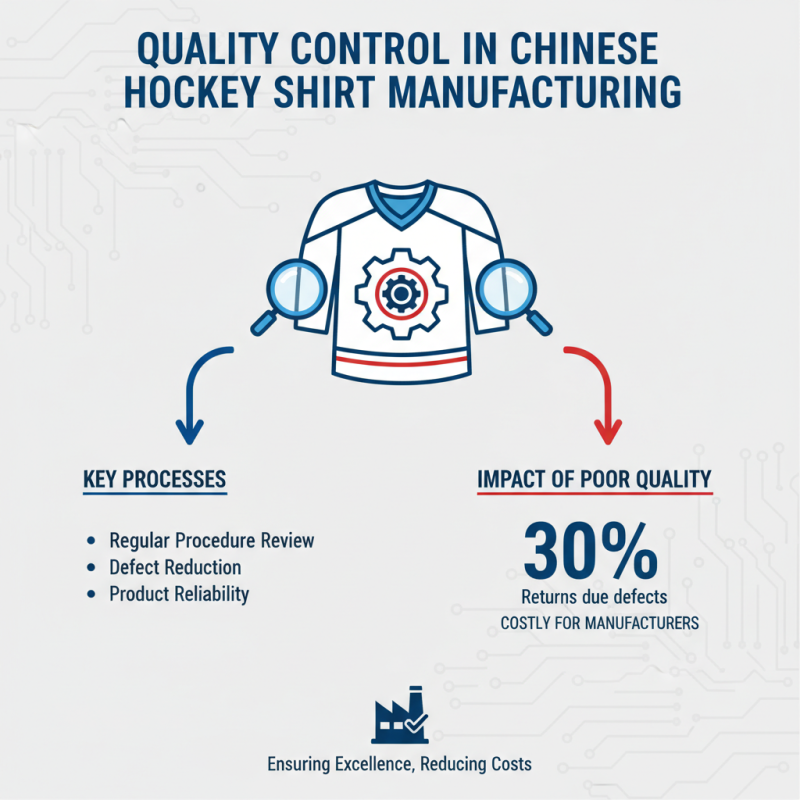
When considering hockey shirt manufacturing in China, quality control processes stand out. Many factories review their procedures regularly. Effective quality control reduces defects, ensuring reliable products. Reports suggest that poor quality can lead to up to 30% returns. This is costly for manufacturers.
Tip: Always verify a factory's quality control certifications. Look for ISO standards, as they indicate established processes.
Chinese factories often employ various techniques for quality assurance. They may conduct inspections at different stages. For instance, during fabric selection, defects are identified early. This prevents major issues later in production. However, some factories overlook crucial checks, leading to inconsistencies in Hockey Pants. Ensuring thorough inspection routines is vital.
Tip: Ask for the factory's quality reports before partnering. This sets clear expectations from the start.
Communication is key in the quality control process. Regular updates from manufacturers help maintain standards. If a factory lacks transparency, it can result in misunderstandings. Not all factories adhere to consistent practices, making it important to establish trust. Inconsistent quality could harm your brand's reputation. Staying engaged with the manufacturing process can help avoid these pitfalls.
The hockey apparel market in China is expanding rapidly. Recent reports indicate that the market reached approximately $900 million in 2022, with an expected growth rate of 6% annually. This growth is driven by an increase in youth participation in hockey and a rise in recreational activities. More schools and local clubs are adopting hockey programs, creating a demand for quality apparel.
OEM partnerships are vital for factories looking to scale. Collaboration with established brands allows factories to leverage expertise and market presence. However, quality control remains a critical issue. Many factories face challenges maintaining consistent standards due to diverse material sourcing. This inconsistency can lead to dissatisfied customers and damaged reputations.
Sustainability is also becoming a focal point. Consumers are now more environment-conscious. Reports show that 70% of buyers prefer brands that demonstrate a commitment to sustainability. This trend compels factories to revise their sourcing practices. Some factories are still lagging, struggling to meet these evolving demands. Addressing these issues promptly will be crucial for staying competitive in the market.
: Factories offer personalized services, fabric selection, and design customization.
Many invest in advanced automated equipment to enhance precision.
Yes, some struggle with consistent quality, leading to sizing discrepancies and misprints.
Not all factories prioritize eco-friendly methods; some still use non-sustainable materials for cost reasons.
Over 65% of manufacturers now use moisture-wicking fabrics for player comfort during games.
It allows for vibrant, durable designs that don't fade, preferred by over 70% of teams.
Less than 30% of manufacturers have fully adopted recycled fabrics yet.
Balancing quality, performance, and environmental impact remains a significant concern.
Clear guidelines are essential to avoid misunderstandings that can arise from communication barriers.
Assess quality, ethical practices, and cost meticulously for the best choice.
The article "Top 10 China OEM Hockey Shirts Factories You Should Know" provides a comprehensive overview of the hockey shirt manufacturing landscape in China. It emphasizes key factors to consider when selecting an OEM factory, such as production capabilities and technological innovation. By outlining criteria for choosing top manufacturers, the article helps readers understand essential elements like quality control processes and the latest market trends in hockey apparel.
Moreover, it profiles leading Chinese OEM factories known for their expertise in hockey shirt production, highlighting their commitment to quality and efficiency. The integration of innovative technologies in production not only enhances the quality of hockey shirts but also positions these manufacturers as competitive players in the global market. Overall, this article serves as a valuable resource for businesses looking to partner with reliable OEM factories in China for their hockey apparel needs.