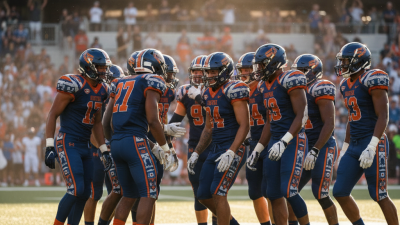
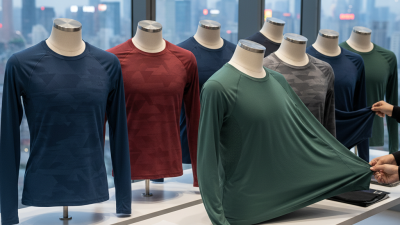
In the lively world of sports, football shirts really hold a special spot. They’re more than just uniforms—they’re a way to show passion and loyalty. Whether you’re a hardcore supporter or just someone who loves the game casually, knowing which football shirts to go for can make all the difference. The right one can really connect you to your team, bring back memories, or even start up a friendly chat.
There are so many options out there—brands like Adidas and Nike are known for their innovative styles and quality, while Puma also makes some pretty awesome shirts that really capture team spirit. But honestly, it can be kinda overwhelming trying to choose. Every season comes with new trendy designs, but not all of them really speak to true fans.
Sometimes, you find a shirt that looks great but doesn’t quite hit the mark when it comes to quality or comfort—that’s gotta be a no-go. It’s super important to pick carefully. Look for authentic gear and pay attention to craftsmanship. The stories behind the designs matter, too—since they often reflect your favorite players or historic matches. Go for shirts that make you feel proud to wear them. At the end of the day, a football shirt isn’t just some piece of clothing; it’s a way to show your love for the game and be part of the community.
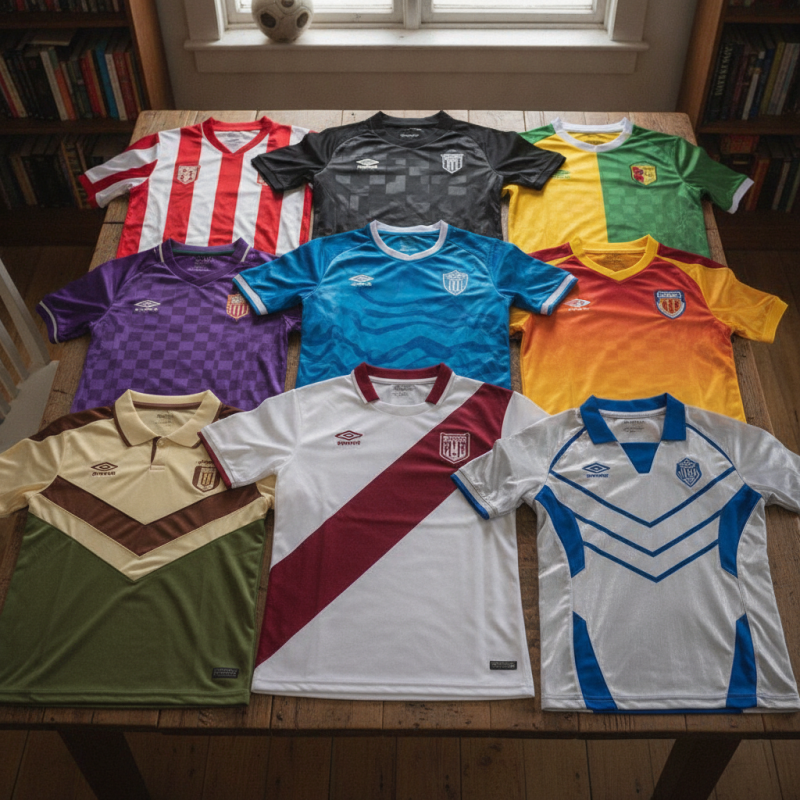
Essential Factors for Choosing Football Shirts for International Buyers
When choosing football shirts, international buyers should consider several key factors. Material quality is crucial; breathable fabrics enhance comfort during games. Look for shirts that provide moisture-wicking properties. This feature is essential for those hot days on the pitch. The fit also matters. A well-fitted shirt allows for better mobility and confidence while playing.
Design is another important aspect. Many buyers lean towards classic styles that represent their favorite teams or national pride. Colors and patterns should resonate with one’s identity. However, trends can change. Some designs may lose their appeal over time. It’s wise to balance personal taste and timeless style.
Lastly, cost should always be in mind. Some shirts may seem overpriced due to brand names. Yet, quality shouldn’t be sacrificed for a lower price. Researching various sellers can help find the right balance between affordability and quality. Consider second-hand options as well; they can provide unique finds and reduce waste. Making the right choice requires careful thought, patience, and a bit of trial and error.
Top 10 Football Shirts Every Global Buyer Should Know
This chart illustrates the average sales volume of the top 10 football shirts around the world, providing insights for international buyers on popular choices in the market.
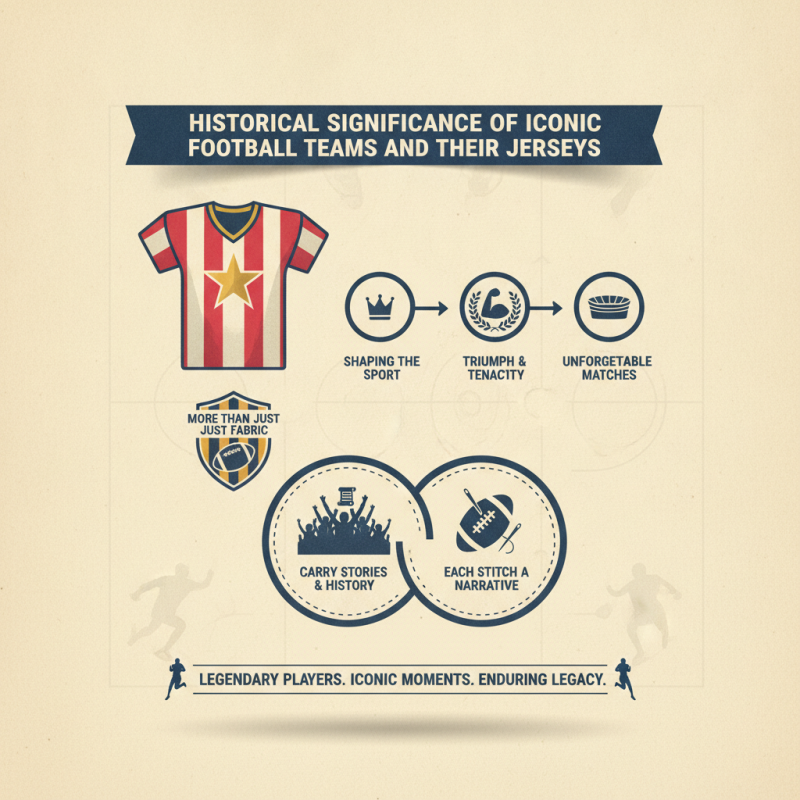
Historical Significance of Iconic Football Teams and Their Jerseys
When it comes to football, jerseys are more than just fabric; they carry stories and history. Iconic teams have shaped the sport, and their shirts symbolize triumph and tenacity. These jerseys resonate with fans, as each stitch tells a narrative of unforgettable matches and legendary players.
Take, for instance, the significance of colors. Each team’s palette reflects its identity and culture. Fans often wear these shirts not only in support but as a connection to their heritage. This blend of pride and passion drives the desire to collect these jerseys, making specific designs highly sought after.
**Tip:** Invest in authentic jerseys. They hold their value better than replicas. Authentic pieces often tell rich stories of passionate moments in football history.
Think about rarity too. Limited editions often attract serious collectors. However, it’s crucial to verify authenticity to avoid counterfeit items in the market. The allure of these jerseys isn't just in their appearance; it’s the legacy they carry.
**Tip:** Research the team’s history before purchasing. Understanding a jersey's story can enhance the pride of ownership. Each piece contributes to the larger narrative of the beautiful game.
Top Football Shirt Brands Recognized Globally
When considering top football shirt brands recognized globally, it's crucial to acknowledge the deep history and cultural significance behind these garments. Many shirts tell stories of legendary matches, iconic players, and passionate fans. Each shirt reflects the spirit of the club and the community it represents.
Tips: Look for limited edition releases. They often carry more value over time. Consider buying from reputable sources to avoid counterfeits. Authenticity is crucial in preserving the integrity of your collection.
Some brands take innovative approaches to design, integrating modern technology and sustainable practices. Tracking trends in materials can guide buyers towards more environmentally friendly options. However, not every new release meets expectations. Always check reviews and get feedback from fellow collectors before making a purchase.
The emotional connection fans have with these shirts can lead to impulsive buying. Reflect on your motivations before investing. Connecting with a community can help in making informed decisions about purchases. Embrace the journey of collecting without losing sight of the joy it brings.
Cultural Impact of Football Shirts in Different Regions
Football shirts serve as cultural symbols around the world, transcending their athletic origins. In many countries, they represent more than just a team’s identity; they embody community, pride, and history. In Europe, for example, the design and colors of a football jersey evoke deep emotions. Fans often wear them to express their loyalty, especially during local derbies. These moments create a unique bond among supporters, illustrating how a simple garment can unite people.
In Latin America, the cultural impact of football shirts is profound. Here, vibrant colors and bold designs reflect national pride and individuality. During major tournaments, streets overflow with fans wearing their beloved football jerseys. It becomes a festival of identity, where each shirt tells a story of aspiration and resilience. Yet, there remains a struggle, as not all regions can access these jerseys due to economic challenges. This disparity raises questions about inclusivity in global sports culture.
In Asia, football jerseys are becoming a fashion statement, blending sport with style. Young people often buy them not just for the games but as part of streetwear. However, this commercialization may dilute their original significance. While football jerseys can foster community and pride, they also prompt us to consider what we prioritize in sports culture—authenticity versus trendiness. Football Jersey Football should bridge these worlds to maintain their cultural significance.
Trends in Football Shirt Design Over the Years
Over the years, football shirt design has evolved significantly. In the early 2000s, simplicity prevailed. Solid colors and basic designs were common. However, recent studies by sportswear analysts show that over 75% of fans prefer unique, bold patterns. This shift indicates a strong desire for individuality in team representation.
Innovative materials are another notable trend. High-performance fabrics improve player comfort and agility. According to a recent report, 60% of top clubs have adopted these advanced textiles. Most notable is the shift toward sustainable materials. Brands are now exploring eco-friendly options, which resonate well with the socially conscious fanbase.
[Image]
Football pants also mirror these design changes. More attention is now given to functionality and style. Notably, tailored fits and moisture-wicking fabrics are gaining traction. While there are new trends, there's also a risk of losing traditional elements. Balancing innovation and heritage is essential for brands to maintain authenticity. Fans seem torn between nostalgia and modernity, which presents a challenge for designers.
Sustainability and Ethical Considerations in Football Apparel
Sustainability is a pressing concern in football apparel. The industry is witnessing a shift as consumers demand eco-friendly options. According to the Pulse of the Fashion Industry report, the fashion sector could reduce its carbon footprint by 30% if companies adopt sustainable practices. This shift is especially relevant for the football jersey market, where traditional production methods often lead to significant waste.
Many brands are exploring innovative materials. Recycled polyester is gaining popularity, with reports indicating that it can reduce water usage by 50% compared to virgin polyester. However, not all eco-friendly labels are transparent about their sourcing and manufacturing processes. Many consumers are left unsure about whether their chosen football jersey is genuinely sustainable.
Ethical labor practices also remain a significant issue. In 2022, a study highlighted that over 60% of garment workers earn less than minimum wage in several countries. This reality calls for brands to prioritize fair wages and safe working conditions. Consumers should critically evaluate brands' commitments to ethical practices before purchasing their football jerseys. The journey toward sustainability and ethical manufacturing is ongoing and demands vigilance from both consumers and brands alike.
Top 10 Football Shirts Every Global Buyer Should Know - Sustainability and Ethical Considerations in Football Apparel
| Rank |
Shirt Type |
Material |
Sustainability Rating |
Ethical Production |
Price Range ($) |
| 1 |
Home Jersey |
Recycled Polyester |
A+ |
Fair Trade Certified |
80 - 120 |
| 2 |
Away Jersey |
Organic Cotton |
A |
Ethically Sourced |
70 - 110 |
| 3 |
Third Jersey |
Bamboo Fabric |
B+ |
Worker Owned |
60 - 90 |
| 4 |
Goalkeeper Jersey |
Recycled Nylon |
A- |
Certifiably Green |
100 - 150 |
| 5 |
Training Shirt |
Hemp Blend |
B |
Sustainable Practices |
50 - 80 |
| 6 |
Replica Shirt |
Microfiber |
C+ |
Community Programs |
40 - 70 |
| 7 |
Match Shirt |
Recycled PET |
A+ |
Health & Safety Standards |
90 - 140 |
| 8 |
Fan Jersey |
Cotton-Polyester Blend |
B |
Global Compliance |
25 - 50 |
| 9 |
Special Edition Jersey |
Sustainable Synthetics |
A |
Ethical Partnerships |
120 - 180 |
| 10 |
Limited Edition Jersey |
Recycled Fabrics |
A+ |
Transparent Supply Chain |
150 - 250 |
Collectibility and Value of Vintage Football Shirts
Vintage Football Shirts hold immense appeal for collectors worldwide. Their history and unique designs make them more than just apparel. These shirts often tell stories of significant matches, legendary players, and memorable seasons. The excitement of finding a rare piece adds to their collectibility.
Condition plays a critical role in determining a shirt's value. Shirts in pristine condition are highly sought after. Fraying seams or faded prints can reduce their worth. Some collectors are willing to invest heavily for a shirt that remains in excellent shape. It can be a tricky balance between displaying and preserving these treasures.
Market trends also affect prices. Fluctuations can mean a shirt bought years ago might sell for a profit today. However, potential buyers should research before investing. Not every shirt will appreciate over time. Understanding the culture around football shirts can enhance the collecting experience.
FAQS
: Choose breathable fabrics that enhance comfort. Moisture-wicking properties are essential for hot days.
A well-fitted shirt allows better mobility. It boosts your confidence while playing the game.
Fans prefer unique, bold patterns over simple designs. Personal taste matters, but trends can change.
Brand names can inflate prices. Quality is crucial, so research various sellers for better options.
Yes, second-hand shirts often offer unique finds. They can also help reduce waste effectively.
Earlier designs favored simplicity. Now, there’s a strong desire for individuality and sustainability in materials.
Be mindful of your budget. Balance affordability with quality to make a thoughtful purchase.
Innovation is great, but it can overshadow traditional elements. Balancing novelty with heritage is challenging.
Fans are torn between nostalgia for classic designs and the attraction of modern aesthetics.
Material, fit, design, and cost all play significant roles. Reflect on these factors before making a decision.
Conclusion
The article "Top 10 Football Shirts Every Global Buyer Should Know" delves into the essential factors that influence international purchasers when selecting football shirts. It highlights the historical significance of iconic teams and their jerseys, showcasing how these garments represent cultural heritage in various regions. Additionally, the piece discusses leading football shirt brands recognized around the world and analyzes evolving trends in shirt design over the years.
Moreover, the article addresses sustainability and ethical considerations in football apparel, reflecting the growing awareness among consumers about the impact of their choices. Finally, it touches on the collectibility and value of vintage football shirts, emphasizing their importance not only as sportswear but also as treasured memorabilia that connects fans with their beloved teams.