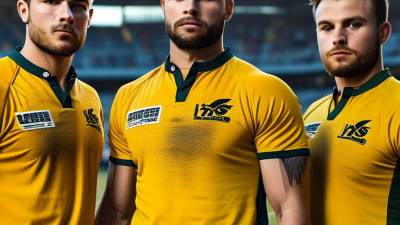
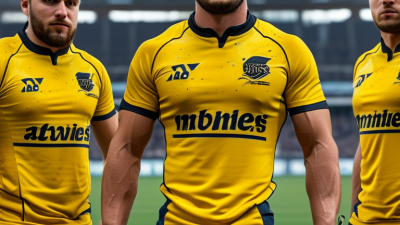
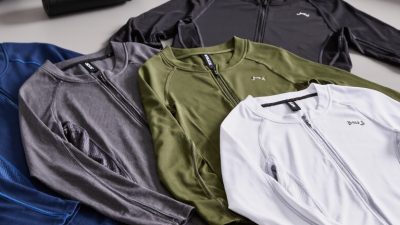
Picking the right Rugby Wear isn’t just about branding or looking good out on the field. It really impacts how comfortable players are, how they move, how tough the gear is, and ultimately, how confident they feel during the game.
According to Grand View Research, the global sports apparel market hit around USD 231.7 billion in 2023, and it’s expected to keep growing steadily through 2030. That bigger market shows there’s a stronger demand for high-tech fabrics and clothing designed specifically for performance. But here’s the thing — rugby’s a bit different from other sports. It involves repeated contact, playing on wet, muddy pitches, and a lot of pulling around the shoulders. So, you can’t just rely on general sportswear stats when choosing your gear.
World Rugby’s 2023 Men’s Rugby World Cup Injury Surveillance Report highlighted quite a bit about injury risks, including concussions. This just goes to show why it’s so important to pay close attention to things like fit, fabric stretch, seam durability, and moisture-wicking properties. Dr. Eanna Falvey, the Chief Medical Officer of World Rugby, summed it up nicely: “Player welfare has to come first in every decision.” That should be the main guiding principle behind every rugby kit purchase.
Start by considering where your team plays. If you’re at a coastal club, quick-drying fabrics and reinforced stitching are smart picks. For youth teams, softer seams, adjustable sizing, and leaving some room for growth are key. Always test out jerseys during sprinting drills, tackling, and even after several washes. Ask players if the fabric pulls or gets too hot — their feedback is invaluable.
And honestly, fit is everything. A tight collar can distract a player during contact, and sleeves that are too loose might snag during tackles. Sublimation printing can help reduce patchy designs, but don’t assume it makes things super durable. That’s something you really need to test—compare samples, examine the seams, and ask suppliers for detailed fabric specs. Going for the cheapest option might seem appealing initially but it could fall apart when things get intense later in the season. Experience teaches us to question those shiny catalog promises—practicality and quality should always come first.
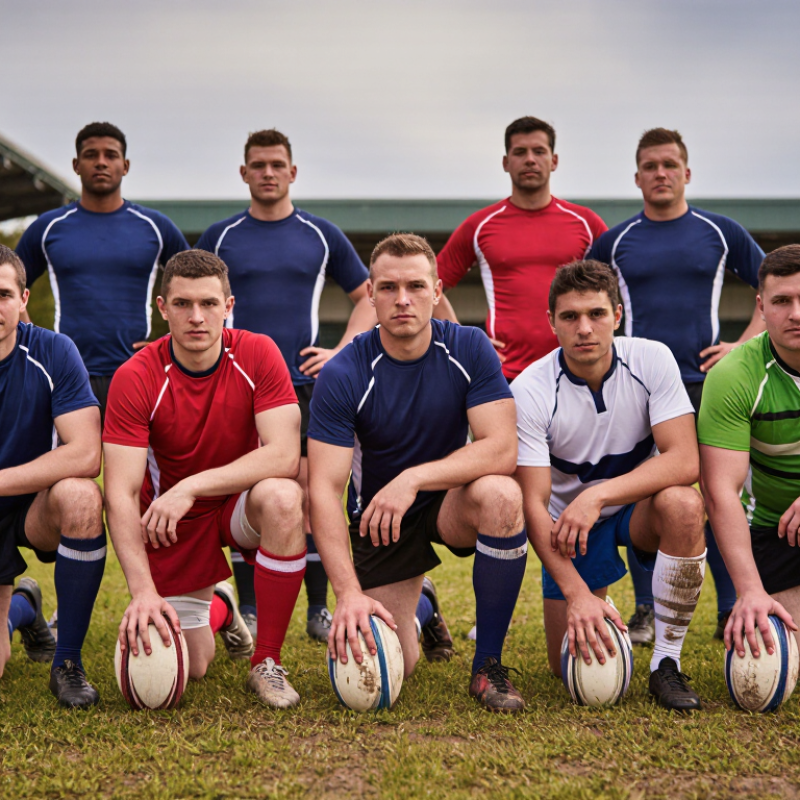
Define Team Needs Using Rugby’s 5–8 km Match-Running Demands
A rugby match can ask a player to cover five to eight kilometres. The distance varies by position, fitness, and match tempo. That distance is not steady jogging. It includes short sprints, collisions, sharp cuts, and repeated recoveries. Your rugby wear must support that pattern.
Start with training evidence, not appearance. Review GPS data, injury notes, and player feedback from recent matches. A loose forward may need strong fabric around the shoulders and chest. A back may value lighter material and less restriction during acceleration. Check the fit while running, reaching, and tackling. A comfortable shirt can feel restrictive after an hour of repeated contact.
Sweat management matters during long, wet sessions.
Choose breathable panels that move moisture away from the skin. Test the kit on muddy grass, not only indoors. Seams should remain flat under shoulder pressure. Shorts need enough stretch for deep lunges and scrummaging positions. Socks should stay secure without creating tight spots.
I once preferred a lighter kit because it looked faster.
After several sessions, the fabric showed wear near the hips. That choice was not entirely practical. Teams should question early assumptions and test samples with different positions. Players notice small problems after kilometres of movement. A collar that rubs at minute ten may become a serious distraction by minute seventy.
Check Jerseys and Protective Gear Against World Rugby Law 4
How to Choose the Best Rugby Wear for Your Team
Check every jersey and protective item against World Rugby Law 4 before ordering team kits. Law 4 covers clothing, boots, headgear, shoulder protection, and other permitted equipment. It also limits dangerous materials, hard edges, and unsuitable padding. A compliant jersey should fit closely without restricting breathing or tackling movement. Inspect the collar, seams, stitching, and fabric after repeated washing. Small tears can become bigger problems.
World Rugby’s annual elite injury surveillance reports consistently place match injury rates near 90 injuries per 1,000 player-hours.
That figure makes equipment checks practical, not decorative. Choose headgear and shoulder padding that follow current World Rugby specifications. Do not assume thicker protection is automatically better. Excess material can trap heat, reduce mobility, or affect safe contact. Fit matters. Measure twice.
A useful match-day check takes less than five minutes. Look for exposed fasteners, rigid inserts, damaged foam, and loose straps. Confirm that boots have safe studs and no sharp edges. Ask players whether the gear pinches when they sprint, bind, or fall. Their feedback is valuable, though it can be inconsistent. A 2022 World Rugby player-welfare review also stresses prevention, education, and consistent preparation around contact risk. Keep the latest Law 4 wording with the kit manager, because regulations and approved specifications can change.
Select Moisture-Wicking Fabrics Using ISO 13688:2022 Requirements
Choosing the best rugby wear starts with how players move, sweat, and recover during training. Youth Rugby Training Wear should feel light, flexible, and secure during tackles, sprints, and muddy drills. A moisture-wicking fabric can pull sweat away from the skin, helping players stay more comfortable under pressure.
ISO 13688:2022 provides general requirements for protective clothing, including ergonomics, sizing, innocuousness, marking, and user information. It does not, by itself, prove that a fabric offers strong moisture-wicking performance. Treat it as a quality framework, not a complete fabric test. Ask suppliers for test data covering absorbency, drying time, colourfastness, and fabric composition. Check whether the garment remains comfortable after repeated washing.
In practical fitting sessions, examine the collar, shoulder seams, and waistband closely. These areas often become irritating before the fabric shows wear. Our first sample fit well while standing, but pulled across the back during contact drills. That mistake mattered. A smaller logo did not fix it; better pattern shaping did. Test shirts on players with different builds, then record pressure points, trapped heat, and restricted movement. Soft fabric helps, but durability still matters. Wet sleeves can become heavy. Loose cuffs can catch during play. Reliable rugby wear balances moisture control, freedom of movement, and clear care instructions. Actual training conditions reveal more than a showroom mirror.
Match Fit, Stretch, and Seams to Forward and Backline Movements
How to Choose the Best Rugby Wear for Your Team
A dependable jersey starts with fit. It should sit close across the shoulders without restricting a full arm swing. Forwards need room across the chest and upper back during scrums and tackles. Backline players need a cleaner shape for sprinting, passing, and sudden direction changes. Measure players in a relaxed stance, then repeat with arms raised. This simple check often exposes tight seams.
Stretch Should Follow Movement
Stretch should follow movement, not resist it. Look for flexible fabric around the shoulders, underarms, and side panels. A forward may pull hard against another jersey, while a winger needs freedom at top speed. Womens custom sublimated rugby wear should offer stable stretch without becoming loose after repeated washing. Test fabric recovery by pulling it gently and watching how quickly it returns.
I once trusted a soft sample that stretched beautifully, but its collar lost shape after training. That mistake changed my fitting process.
Check the Seams Carefully
Seams deserve equal attention. Flat, reinforced seams can reduce rubbing beneath shoulder contact and underarm movement. Check the sleeve join, collar edge, and side seam from inside the garment. Rough thread or bulky stitching can become painful during an eighty-minute match. Ask players to jog, bind, pass, and reach before approving the final cut. One fitting is not enough. Wet fabric may feel heavier and expose weak construction. Keep notes from training sessions, because memory is less reliable than observed movement.
Choose Weather Protection for Rain, Cold, Heat, and High-Impact Play
How to Choose the Best Rugby Wear for Your Team
Weather changes quickly on a rugby field. Wet grass, sharp wind, and strong sunlight can affect movement and concentration. Choose a close-fitting base layer that moves sweat away from the skin. For rain, look for tightly sealed seams and a light water-resistant outer layer. It should protect players without feeling like a plastic shell. In cold conditions, thermal fabric helps retain warmth during training and match preparation. Avoid overly thick layers, because they may restrict tackling and passing. For heat, select breathable mesh panels and pale, quick-drying materials. A loose fit can catch during contact, so balance airflow with secure movement. china rugby football wear suppliers may offer varied fabric weights, but teams should inspect samples before ordering.
Tips: Test the kit outdoors, not only indoors. Pour water over the shoulders and sleeves. Check whether the fabric clings after sweating. Ask players to sprint, tackle, and stretch while wearing it. Small discomfort becomes serious after eighty minutes.
High-impact play demands strong stitching around the shoulders, sides, and shorts. Reinforced panels can reduce tearing during repeated contact. However, extra material may create heat and weight. I once chose a durable training top that felt excellent in rain but became heavy during humid sessions. That mistake changed our fitting process. Now, we compare wet weight, drying time, and freedom of movement. Players also need enough room for approved protective equipment without loose fabric bunching underneath. Teams should record feedback from different positions, because forwards and backs rarely experience weather the same way.
Verify Durability Through Martindale Abrasion and Colourfastness Testing
How to Choose the Best Rugby Wear for Your Team
A rugby kit must survive tackles, wet grass, repeated washing, and hard contact. Fabric appearance alone proves very little. Textile Exchange’s Materials Market Report 2024 recorded 124 million tonnes of global fibre production in 2023. Polyester remained dominant, but fibre choice does not guarantee performance.
Ask for a Martindale abrasion test report under ISO 12947. The report should show the fabric construction, applied pressure, rubbing material, and breakdown point. Test panels should represent shoulders, hips, and side seams. These areas meet turf and opponents first. A high cycle count helps, but it is not a complete guarantee. Stitching can fail while the fabric still looks strong.
Colourfastness needs equal attention. Request washing results under ISO 105-C06, rubbing results under ISO 105-X12, and perspiration results under ISO 105-E04. Grey-scale ratings usually run from 1 to 5; grade 4 or higher is a practical starting requirement. Dark red, black, and navy panels deserve extra checking. They can stain lighter underlayers after a muddy match. The first sample I reviewed looked excellent, yet its wet-rubbing result was disappointing. That mistake is easy to repeat. Ask the laboratory for both dry and wet ratings, plus photographs before and after testing. Do not accept “tested fabric” without method details, test conditions, and actual results.
How to Choose the Best Rugby Wear for Your Team
Verify durability through Martindale abrasion and colourfastness testing
Use abrasion resistance in Martindale cycles to assess how well fabric withstands repeated rubbing.
Colourfastness is commonly rated on a 1–5 grey scale, where 5 indicates the best resistance to colour change.
Higher-contact rugby garments should meet or exceed the higher benchmark levels before purchase.
Compare Supplier Samples, Sizing Data, Customisation, and Total Cost
How to Choose the Best Rugby Wear for Your Team
Choosing rugby wear should begin with physical supplier samples, not attractive catalogue photos. Ask for a jersey, shorts, and socks in several sizes. Check stitching around the shoulders, seam flexibility, fabric weight, and drying time after washing. A sample that feels fine indoors may become heavy during a wet Saturday match.
Sizing data deserves careful attention. Measure players’ chest, waist, hip, and sleeve length, then compare those figures with the supplier’s chart. Do not rely only on small, medium, or large labels. In team fittings, I have found that two players with similar heights often need different jersey cuts. Leave room for shoulder movement, but avoid loose fabric that catches during tackles. Mistakes happen.
Customisation also affects performance and cost. Confirm whether names, numbers, badges, and colour panels are printed or stitched. Request a digital proof and inspect the number size from a distance. Pro Wear should support clear identification without adding unnecessary weight. Ask about colour consistency between the sample and final production. It can change slightly.
Calculate the total cost before approving an order. Include sample fees, artwork charges, setup costs, delivery, taxes, replacement items, and possible rush fees. A lower unit price may become expensive when one missing size requires a second shipment. Request a written quotation with production times and quality checks. Keep the details in one document. Reliability is easier to judge when promises are measurable.
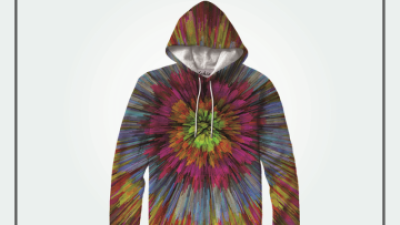
Custom Sublimation Polyester Hoodies: Lightweight, Breathable Style for Sports and Everyday Wear
Custom sublimation polyester hoodies combine lightweight comfort with practical performance for sports, commuting, and everyday casual wear. Polyester is widely used in activewear because it is durable, moisture-managing, and quick-drying, helping the garment feel fresher during movement. Grand View Research estimates that the global sports apparel market will continue expanding through 2030, reflecting growing consumer interest in clothing that supports both active lifestyles and daily versatility. A breathable polyester hoodie offers an easy layer for warm-ups, outdoor activities, travel, or relaxed weekend styling without the weight of traditional heavy fleece.
Sublimation printing also makes personalization central to the design. Instead of adding a thick surface graphic, the color is infused into the polyester fibers, creating a smooth hand feel and allowing detailed, edge-to-edge artwork. Custom patterns, photographs, team-inspired graphics, and distinctive color combinations can be produced across the hoodie body for a more individual appearance. Textile Exchange’s *Materials Market Report 2024* identifies polyester as the most widely produced fiber globally, highlighting its important role in modern apparel manufacturing. With a soft feel, breathable construction, and efficient moisture release, a custom sublimation hoodie can move comfortably between training sessions, outdoor adventures, and everyday wear while expressing a personalized visual style.
FAQS
Choose a close-fitting base layer that moves sweat away from the skin. For rain, sealed seams and light water resistance help. Avoid a plastic-like feel.
Thermal fabric can retain warmth during training and match preparation. Avoid very thick layers. They may restrict tackling, passing, or stretching.
Breathable mesh panels and pale, quick-drying materials can improve comfort. Use a secure fit. Loose fabric may catch during contact.
Test samples outdoors, not only indoors. Pour water over the shoulders and sleeves. Ask players to sprint, tackle, and stretch. Small discomfort becomes serious later.
Inspect the shoulders, sides, and shorts carefully. Reinforced panels may reduce tearing during repeated contact. Extra material can add heat and weight.
A garment may feel durable in rain but become heavy during humid sessions. I once missed this problem. Now, compare wet weight, drying time, and movement.
Measure each player’s chest, waist, hip, and sleeve length. Compare those measurements with the sizing chart. Do not trust small, medium, or large labels alone.
Confirm whether names, numbers, badges, and panels are printed or stitched. Request a digital proof. Check number visibility from a distance and confirm colour consistency.
Include samples, artwork, setup, delivery, taxes, replacements, and rush fees. A low unit price may hide extra shipping. Keep every promise in one written quotation.
Conclusion
Choosing the right Rugby Wear begins with understanding your team’s demands. Players may cover 5–8 kilometres during a match, so jerseys and protective equipment should support sustained movement, repeated contact, and quick changes of direction. Check that essential items align with World Rugby Law 4, then evaluate moisture management, breathability, and safe construction alongside ISO 13688:2022-based requirements. Fit should reflect playing roles: forwards often need reinforced, flexible garments for close-contact work, while backs may prefer lighter cuts that support speed and agility. Secure seams and suitable stretch can improve comfort without restricting movement.
Weather and playing conditions also influence the final choice. Select protection for rain, cold, heat, and high-impact situations while avoiding unnecessary bulk. Before ordering, request supplier samples and review sizing data, customisation options, testing records, and total cost. Martindale abrasion results and colourfastness testing can help indicate whether garments will withstand frequent washing, training, and match use. A careful comparison ensures the final Rugby Wear offers comfort, durability, team consistency, and practical value throughout the season.