Wholesale basketball apparel is evolving pretty quickly in 2026. Nowadays, buyers aren’t just looking at team colors or logo placement—they’re really digging into details like fabric weight, stitching quality, size accuracy, customization options, minimum order requirements, and how reliable the delivery is. A jersey that catches your eye with its bright colors might look great at first, but if the seams aren’t solid, customers won’t come back.
Jordan McLean, who’s a wholesale apparel expert at Teamwear Insights, puts it what's worth remembering: “The cheapest jersey can actually end up being the most expensive order if quality, sizing, and delivery fall short.” And that’s a big deal for everyone—retailers, school teams, clubs, and promo folks. These jerseys need to hold up through repeated washes, active wear, and long nights under those bright gym lights. Features like breathable mesh fabric, reinforced armholes, secure heat-pressed graphics, and clear size charts should all be checked out carefully.
This guide takes a look at the top basketball jerseys for wholesale buyers in 2026, considering things like how they perform, how reliable the suppliers are, the customization options available, and what you’re really getting for your money. Because, honestly, paying less per piece doesn’t always mean saving money overall. Unexpected things like shipping delays, color inconsistencies, or sizes that don’t fit can quickly cut into your profit margins. Sounds straightforward, right? Well, it’s not that simple.
Some suggestions here might spark debate—market prices fluctuate, production quality isn’t always consistent, and a sample that looks great can turn out to be disappointing in bulk. So, it's smart to ask for fresh samples, confirm production schedules, and test out different sizes before making a big order. No supplier should be trusted blindly—proof is everything. Ultimately, the best basketball jerseys manage to hit a sweet spot between comfort, durability, cool design, and dependable wholesale support. Of course, perfect balance is impossible, but at least it’s something you can measure.
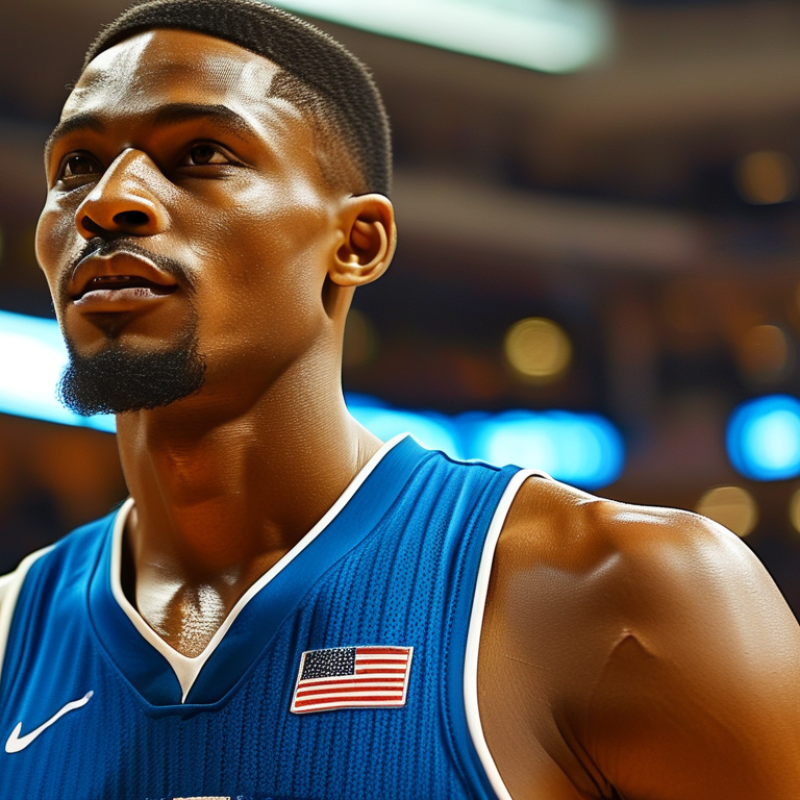
Size 2026 Demand with Licensing International’s $356.5B 2023 Baseline
2026 Best Basketball Jerseys for Wholesale Buyers
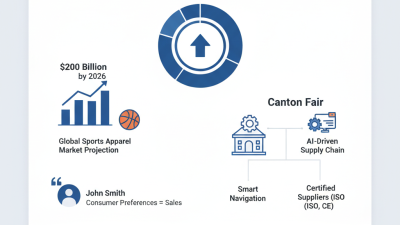
Licensing International’s reported $356.5 billion global licensing baseline for 2023 shows the market’s scale and commercial momentum. However, this figure covers many categories, not basketball jerseys alone. Buyers should treat it as a demand signal, not a guaranteed sales forecast. Experience from wholesale ordering suggests that fit, delivery timing, and approved decoration often influence repeat purchases more than headline market growth.
For 2026 planning, compare regional sales data with tournament calendars, school seasons, and local weather patterns. A practical assortment may include youth, adult, and extended sizes, with breathable fabric and reinforced stitching. Request physical samples before confirming large quantities. Check measurements carefully. Small errors become expensive returns. I would also question optimistic forecasts, because demand can shift quickly after a team’s performance or a licensing change.
Tips
Build a test order before scaling. Track sell-through weekly, not only at season’s end. Ask suppliers for documented authorization, material details, production timelines, and defect policies. Keep a modest buffer for popular sizes, but avoid overstocking every color. My earlier buying decisions sometimes favored broad variety over proven demand; that approach looked flexible but tied up cash. Use the $356.5 billion baseline for context, then rely on verified category data and measured customer response.
Map Wholesale Jersey Categories Across the NBA’s 30-Team Landscape
For 2026 wholesale planning, the league’s 30-team landscape needs a category map, not one oversized order. Each team can be grouped by demand pattern: core home colors, alternate designs, city-inspired editions, and youth sizes. This structure helps buyers compare inventory depth, timing, and price across the full assortment. Start with core jerseys. They usually support steady replenishment, especially in common adult sizes. Yet demand is rarely equal.
A practical purchase plan can divide inventory into three levels. Level one covers core colors and popular sizes. Level two includes alternate designs and extended adult fits. Level three tests Youth Basketball Jerseys, smaller runs, and less predictable color combinations.
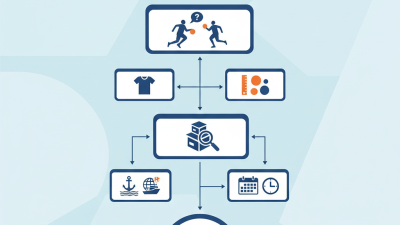
For each team, record expected sell-through, minimum order quantity, size curve, and reorder window. A spreadsheet is enough. Do not guess blindly. Past sales, local basketball participation, and school-season timing offer stronger evidence than excitement alone.
Experienced buyers should inspect stitching, breathable fabric, number placement, wash testing, and packaging consistency before scaling an order. Request samples from every category. Check measurements by hand. A small mismatch can create costly returns. I would reserve flexible budget for late-season demand, though this may leave slower designs overstocked. That risk deserves review every four weeks. Inventory decisions should remain adjustable across all 30 team markets.
Set Fabric, GSM, Stitching, and Size-Run Specifications for Bulk Orders
For wholesale buyers, fabric decisions should begin with the playing environment. A lightweight polyester knit can improve airflow during indoor games. A denser fabric may suit outdoor use and frequent washing. Record the fabric composition and target GSM on the order sheet. Many buyers choose 140–160 GSM for warm conditions and 170–200 GSM for added coverage. These figures need testing, not guessing. Request a pre-production sample and wash it twice before approval.
Stitching deserves the same attention. Double-needle seams can strengthen shoulders, side panels, and the leg openings of Basketball Jerseys Shorts. Check thread tension around armholes, where repeated movement creates stress. Loose threads are small defects, but they can cause returns. Ask for reinforced bartacks at high-pressure points. Keep the request clear and measurable. A sample inspection under bright light often reveals uneven seams.
The size run should match your sales data, not a standard assumption. Specify chest width, jersey length, waist width, and inseam for every size. Include tolerance limits, such as plus or minus one centimeter. Fit problems spread quickly. Mixed cartons also need a precise quantity breakdown. One practical issue remains: some size charts look accurate but feel narrow after washing. Test movement, not only measurements. Document corrections before bulk cutting begins.
Verify Safety with OEKO-TEX’s 1,000+ Substance Tests and AATCC TM61
For 2026 wholesale buyers, Basketball Practice Jerseys should be checked beyond color, sizing, and price. Fabric safety deserves equal attention. OEKO-TEX testing screens textiles against more than 1,000 potentially harmful substances. The assessment can cover dyes, finishes, prints, and accessories. Ask suppliers for a current certificate, not a cropped image. Confirm the certificate number, product class, and covered materials. A jersey may look clean while its coating needs closer review.
AATCC TM61 adds useful evidence about colorfastness during accelerated laundering. It does not replace chemical safety testing. Instead, it helps estimate how repeated washing may affect color transfer and fading. Request the washing conditions, test results, and fabric sample used. Compare the report with the final production jersey. Small changes in ink, thread, or trim can affect performance. This is where buyers sometimes trust paperwork too quickly.
Tips: Keep one sealed sample from each production lot. Wash another sample according to the test method. Check white fabric, skin-contact areas, and printed numbers for staining. Record odor, fading, and surface changes after washing. Ask questions when documents conflict. That is not being difficult. It is quality control. I have found that a neat report can still leave gaps, especially when the tested sample differs from the shipment. Verify the details before placing a large order.
Compare MOQ, Unit Cost, Freight, and Margin Across Supplier Regions
2026 Best Basketball Jerseys for Wholesale Buyers
Compare MOQ, Unit Cost, Freight, and Margin Across Supplier Regions
Wholesale jersey buying in 2026 requires more than comparing the factory quote. Minimum order quantity can shape your cash flow immediately. A supplier in South or East Asia may offer a lower unit cost, but often requires larger production runs. Regional suppliers may accept smaller MOQs, although their labor costs can raise the starting price. Request a size breakdown before ordering. Ten colors and six sizes can turn a simple MOQ into a difficult inventory decision.
Freight changes the real cost. Ocean shipping usually suits large, planned orders, while air freight helps with urgent replenishment. It can also damage your margin quickly. Ask for carton dimensions, gross weight, production time, and delivery terms. These details matter more than a basic shipping estimate.
I once built a cost sheet using product prices only. It looked profitable, but freight and customs charges reduced the margin sharply. That mistake was useful.
Calculate landed cost per jersey, not factory cost alone. Add packaging, inspection, payment fees, freight, and expected defects. Then compare the selling price with a realistic margin target. A 35% gross margin may sound healthy, but unsold sizes can weaken it. Test one sample batch when possible. Check stitching, fabric weight, print alignment, and wash performance. Supplier promises are helpful, but physical evidence is stronger. Keep a written record of every quotation and revision. Small omissions become expensive.
Audit Decoration, Color Accuracy, Defect Rates, and Pre-Shipment Quality
2026 Best Basketball Jerseys for Wholesale Buyers
Audit Decoration, Color Accuracy, Defect Rates, and Pre-Shipment Quality
Wholesale buyers should audit Sublimated Basketball Jerseys before approving production. Review the artwork at full size, including names, numbers, logos, and fine border lines. Check stitching around armholes and hems. Loose threads often appear after packing, not during sampling.
Color accuracy needs measurable control. Compare production fabric with an approved physical swatch under neutral lighting. A spectrophotometer can identify shifts that screens hide. Dark navy may become purple, while bright red can lose strength. Small differences matter across a team order.
Look closely.
Record defect rates by category, not only by total units. Common issues include crooked decoration, uneven seams, fabric pulls, and incorrect size labels. Photograph each defect and link it to a carton or production batch. One audit I underestimated focused too heavily on print quality. Later, sleeve tension caused fit problems. That mistake changed our inspection checklist.
Before shipment, inspect cartons randomly and open sealed packages. Confirm quantities, size ratios, folding, labels, and moisture protection. Require a signed pre-shipment report with photos, measurements, and rejected-unit counts. A low defect rate is useful only when the sampling method is clear. Recheck high-risk sizes and designs with many small details. Human inspection is valuable, but it is not perfectly consistent. Rotate inspectors and review disputed findings together.
2026 Best Basketball Jerseys for Wholesale Buyers
Audit Decoration, Color Accuracy, Defect Rates, and Pre-Shipment Quality
This standards-based quality-control reference combines common wholesale inspection controls:
complete audit records and pre-shipment inspection are expected to reach 100%, while AQL 2.5 and
AQL 4.0 are commonly used reference levels for major and minor defects under ISO 2859-1 sampling plans.
Color and decoration tolerances should always be confirmed in the approved production specification.
Custom Wholesale Breathable Basketball Practice Jerseys: Design, Quality, and Bulk Buying Guide
Custom wholesale breathable basketball practice jerseys are designed to keep players comfortable during intense training and competitive games. Lightweight, moisture-wicking fabrics help improve airflow and reduce discomfort, while flexible construction supports a full range of movement. Teams can personalize each jersey with colors, numbers, names, logos, and graphics to create a unified appearance for leagues, school teams, camps, and community programs.
Quality construction is essential for uniforms that face frequent washing, stretching, and contact. Durable stitching around the shoulders, neckline, armholes, and side panels helps maintain shape and strength throughout the season. Smooth seams and carefully finished edges also improve comfort, allowing athletes to focus on drills, teamwork, and performance without unnecessary irritation.
For bulk buyers, custom wholesale orders provide a practical way to outfit an entire roster with consistent designs and sizing. Before placing an order, organizers should confirm size ranges, artwork specifications, fabric options, production schedules, and sample approval procedures. Ordering in larger quantities can simplify team management and support more efficient pricing, while a clear size chart helps reduce exchanges and ensures every player receives a comfortable fit.
FAQS
Group them into core colors, alternate designs, city-inspired editions, and youth sizes. This makes demand easier to compare.
No. Use separate inventory levels for each market. Demand varies widely, even among popular teams.
Core colors and common adult sizes belong there. They usually support steady replenishment and predictable sales.
Place smaller runs for alternate colors, extended adult fits, and youth sizes. Keep the test budget limited.
Record expected sell-through, minimum order quantity, size distribution, and reorder timing. Past sales are better than excitement alone.
Check stitching, fabric breathability, number placement, measurements, wash performance, and packaging. Inspect samples from every category.
Keep one sealed sample from every production lot. Wash another sample and compare both with the shipment.
Look for fading, color transfer, odor, stains, and surface changes. Pay special attention to white fabric and skin-contact areas.
Request current textile safety reports covering dyes, finishes, prints, and accessories. Confirm the certificate number and covered materials.
Reserve some flexible budget for late demand. That may leave slower designs overstocked, so review inventory every four weeks.
Conclusion
The 2026 wholesale market for Basketball Jerseys can be evaluated against a 2023 licensed-merchandise baseline of approximately $356.5 billion, indicating strong potential for organized bulk purchasing. Buyers should map product categories across all 30 professional team markets while also considering fan demographics, seasonal demand, youth sizing, replica styles, training tops, and customizable options. Clear specifications for fabric composition, GSM, stitching strength, colorfastness, and complete size runs will help ensure consistent quality across large orders.
A practical supplier comparison should examine minimum order quantities, unit pricing, production capacity, freight costs, lead times, and expected margins across different sourcing regions. Safety verification should include testing for more than 1,000 restricted substances and standardized wash-durability testing. Before shipment, wholesalers should audit decoration placement, color accuracy, embroidery or print consistency, sizing, packaging, and defect rates through documented inspections and approved samples. This structured process reduces avoidable returns, protects profitability, and supports reliable long-term distribution.