









Tour de France 2026: The 113th Edition Sets Off from Barcelona for Three Weeks of Epic Cycling Battle
The 113th Tour de France officially kicks off on July 4 and runs through July 26, marking one of the most anticipated editions in recent memory. As the oldest and most famous of cycling’s three Grand Tours, the Tour de France was first held in 1903, and it has grown from a newspaper-promoted road contest into a global sporting phenomenon watched by hundreds of millions of fans worldwide.
This year’s race makes history with its Grand Départ in Barcelona, Spain — the first time the opening team time trial starts in the Catalan capital. Stage 1 is a 19.7-kilometre team time trial around Barcelona, ending at the iconic Montjuïc Olympic Stadium. It is a rare team time trial opening, a format not seen for 55 years at the Tour de France, which immediately puts teamwork and collective tactics centre stage from day one.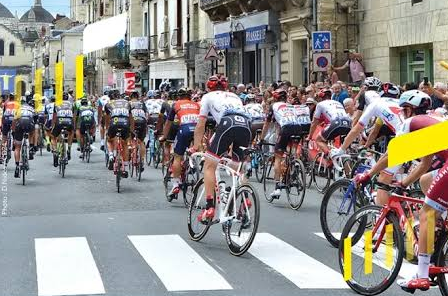
Across 21 stages over three weeks, riders will cover roughly 3,321 kilometres. The route includes 7 flat sprint stages, 4 rolling hilly stages, 8 gruelling mountain stages, one individual time trial, plus two scheduled rest days. The race journey winds through Catalonia, crosses the Pyrenees, travels across central France’s Massif Central, and finally enters the French Alps before heading north to the traditional finish in Paris on the Champs-Élysées.
One of the biggest highlights of 2026’s route is the legendary Alpe d’Huez, which features back-to-back summit finishes on Stage 19 and Stage 20. This is the first time in the race’s long history that riders will tackle the famous climb for two consecutive days. Stage 20 is widely known as the Queen Stage, packed with massive high-altitude climbs including Col de la Croix de Fer and Col du Télégraphe, where the battle for the overall yellow jersey will most likely be decided. The route also passes the Cirque de Gavarnie, a spectacular UNESCO World Heritage natural amphitheatre in the Pyrenees, offering breathtaking scenery alongside brutal climbing tests.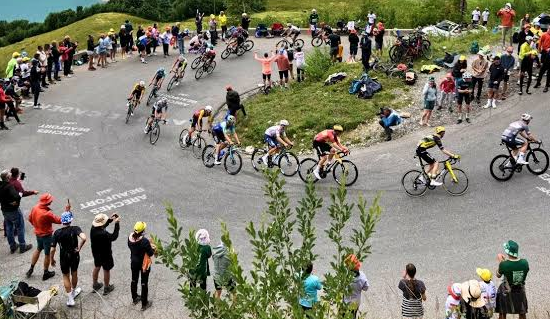
Four iconic jerseys define the competitions within the Tour de France. The yellow jersey (maillot jaune) belongs to the rider with the lowest cumulative time, the ultimate prize of the whole race. The green jersey rewards the best sprinter, collecting points at intermediate sprints and stage finishes. The polka-dot jersey goes to the King of the Mountains, the rider who earns the most points by summiting the steepest climbs. The white jersey is reserved for the best young rider under 26 years old.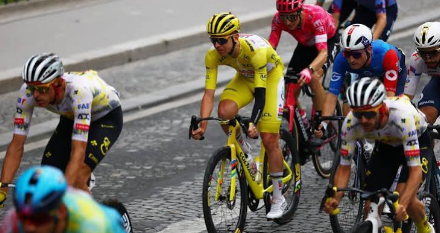
Each team consists of eight riders, with clear roles: general classification leaders, sprint specialists, climbers, and domestiques. Domestiques sacrifice their own chances, shielding their team leader from wind, fetching food and water, and pacing them up mountains. Victory is never a solo achievement; every stage is a mix of physical endurance, careful strategy, split-second decision-making, and teamwork. Riders must cope with searing summer heat, steep mountain gradients, crosswinds on exposed plains, fatigue building over three weeks, and the risk of crashes on narrow country roads.
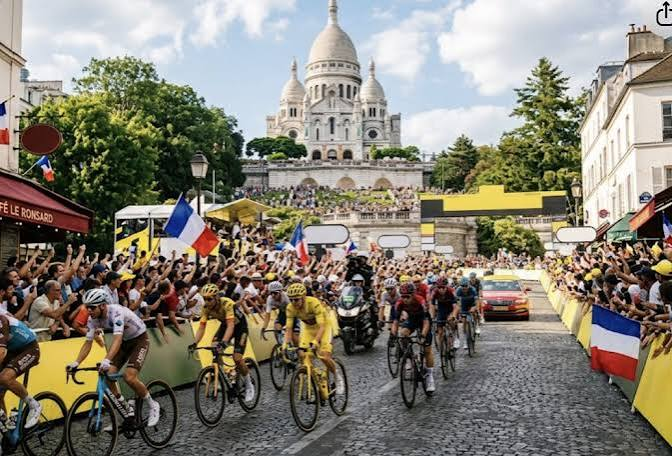
Millions of spectators line the roads each day, cheering riders through small villages, mountain passes and historic towns. Beyond pure sport, the Tour de France is a cultural event, showcasing Europe’s stunning landscapes and local communities. For fans, the race is not just about who wins in Paris, but about daily drama: breakaway riders fighting to hold off the chasing peloton, thrilling bunch sprints, attacks high in the mountains, and the mental fight to keep pushing when legs are exhausted.
The race also demonstrates the importance of high-performance sportswear built to handle extreme long-distance racing.