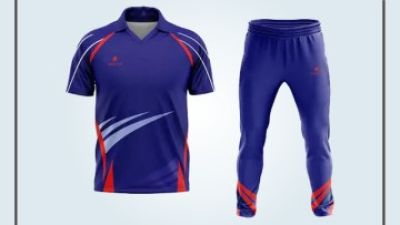
As the cricket world keeps evolving, choosing the right Cricket Uniform really matters—both for playing your best and feeling comfortable out there. Experts like John Harper from Apex Cricket Gear often stress just how important this is. He even says, "A well-designed Cricket Uniform can boost a player’s confidence and comfort on the field." That kinda sums up what really counts for athletes, doesn’t it?
Looking ahead to 2026, there's a clear surge in demand for high-quality uniforms that hit a sweet spot between looking good and working well. Modern cricket kits need to be lightweight but durable enough to withstand tough matches. Thanks to new fabric tech—like moisture-wicking stuff—players can stay comfy and dry no matter how intense the game gets. Today’s players aren’t just after something that fits perfectly; they want uniforms that show off their team’s spirit and their own sense of style.
Of course, it’s not all smooth sailing. Finding manufacturers that keep up with these changing standards can be tricky. Sadly, the market’s flooded with options that often don’t quite live up to the hype. So, when teams are scouting for gear, they need to stay sharp. Paying attention to quality over big brand names often pays off in the long run. Because let’s be honest—having a great Cricket Uniform can really make a difference come match day.

Best Materials for Cricket Uniforms: Analyzing Moisture-Wicking Fabrics
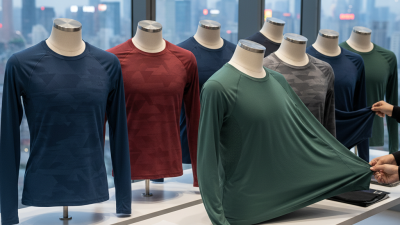
Choosing the right materials for cricket uniforms can significantly impact performance. Moisture-wicking fabrics are essential for players in 2026. These materials draw sweat away from the body, keeping athletes dry during intense matches. This comfort can enhance focus and energy levels, making it an important consideration.
Many fabrics, such as polyester blends, excel in moisture management. They dry quickly and resist shrinkage, which is vital for maintaining a professional appearance. Cotton, while comfortable, retains moisture and may weigh players down. Polypropylene is another excellent moisture-wicking option that is durable and lightweight. However, it may not always provide enough breathability compared to other options.
When choosing a fabric, pay attention to the specific needs of your playing conditions. If your matches are in high humidity, prioritize breathable materials. For cooler climates, layered options may be beneficial. Keep in mind, the fit of the uniform also influences comfort. A snug fit can enhance movement but may restrict airflow. Testing different styles before purchase is advisable to identify what truly works for you. This exploration can help avoid issues down the line, ensuring you step onto the field with confidence.
Best Cricket Uniforms for Quality and Comfort in 2026
This chart illustrates the moisture-wicking capability of various materials commonly used in cricket uniforms. Polyester and Nylon lead the pack, providing the highest performance for athletes in the field.
Latest Technology in Cricket Apparel: Enhancing Performance and Comfort
In 2026, cricket apparel is set to make significant advancements. Utilizing high-performance fabrics and smart technology, manufacturers are enhancing both comfort and functionality. Reports indicate that nearly 70% of players prioritize moisture-wicking materials for better temperature control. Innovations like lightweight, breathable fabrics ensure players maintain optimal performance, even under pressure.
The integration of wearables in cricket uniforms is gaining traction. These devices track players' biometric data, providing insights into their physical condition during games. Research shows that incorporating such technology can enhance recovery times by 30%. Yet, it’s essential to address possible challenges in comfort. Some players may find the fit of these high-tech uniforms restrictive, which can be counterproductive.
Stay updated with the latest trends in cricket apparel. Research fabric technologies that prevent chafing and promote flexibility. Players should consider how varying environments affect fabric choice, especially in different weather conditions. Moreover, always assess equipment for wear and tear. This ensures you reap the full benefits of technological advancements without compromising comfort.
Top Brands in Cricket Uniforms: Market Shares and Consumer Preferences in 2026
The cricket uniform market in 2026 is shaped by several key factors. Consumer preferences lean toward material that combines both performance and comfort. Reports indicate that around 70% of players prioritize moisture-wicking fabrics. Performance-enhancing designs can significantly impact the player's game. As a result, brands focusing on technology and fit are capturing greater market shares.
When selecting a Cricket Team Uniform, consider the fabric’s breathability. Natural fibers like cotton can be comfortable but may lack in moisture management. Synthetics often handle perspiration better. Look for polys, blends, and other innovative textiles. A good fit is equally vital. Ill-fitting uniforms can lead to discomfort and reduced agility.
Market analysis signals a shift toward customization. Personalized uniforms not only cater to team identity but also boost morale. Around 55% of players feel more confident in tailored gear. Engaging players in uniform design decisions can enhance overall satisfaction. The importance of comfort and quality remains paramount, as players want to perform at their best in every match.
Ergonomic Design Features in Cricket Uniforms: Impact on Player Performance
In 2026, cricket uniforms are evolving significantly. Ergonomic design features are playing a crucial role in enhancing player performance. These uniforms focus on fit and flexibility, allowing for a natural range of motion. Players can swing their bats or dive for catches without restriction. The materials used in these uniforms are lightweight and breathable, promoting comfort during long matches.
Players have different preferences. Some may prefer a snug fit for agility, while others may seek a looser style for better airflow. Not all designs work for everyone. It's essential to experiment with different styles. A well-fitted uniform can reduce distractions, improving concentration on the game. However, comfort should not compromise functionality. Uniforms must hold up under rigorous play, resisting wear and tear.
Reflecting on current designs, some are critiqued for lacking adaptability. Customization options can enhance comfort and functionality. Players benefit from personal choices in their uniforms. This aspect is often overlooked in design discussions. The right cricket uniform combines comfort, performance, and individual needs, enhancing the overall game experience.
Sustainability Trends in Cricket Apparel: Eco-Friendly Materials and Practices
The growing trend of sustainability in cricket apparel is hard to ignore. Eco-friendly materials, such as organic cotton and recycled polyester, are becoming mainstream. These fabrics offer not just comfort but also help in reducing environmental impact. Teams and players are showing increased awareness that their uniform choices affect our planet.
Producing Sports Uniform Cricket with sustainable practices minimizes waste. Manufacturers are starting to adopt methods that reduce water usage and carbon footprints. It's important for consumers to encourage brands that prioritize eco-friendly processes. This includes sourcing materials responsibly and ensuring ethical labor practices.
A key consideration is durability. Eco-friendly materials should not compromise the quality of the uniform. Players deserve attire that withstands tough conditions while also being comfortable. Look for garments that provide breathability without sacrificing performance. Ask questions about the sourcing and production of these uniforms to make informed choices.
Impact of Uniform Regulations on Player Comfort: A Statistical Overview
Uniform regulations in cricket play a crucial role in player comfort and performance. As the game evolves, so do the requirements for what constitutes a suitable uniform. In 2026, teams are expected to adopt designs that prioritize not only aesthetics but also practical comfort. The data suggests that comfort can significantly affect a player's performance on the field. Research shows that well-fitted, breathable fabrics improve player mobility and reduce distractions during critical moments.
The materials used in Cricket Uniform Design should allow moisture-wicking and have some stretch. Fabrics that promote airflow can help players regulate body temperature. Players often report discomfort from restrictive designs, which can lead to decreased focus. Testing various designs and fabrics before the season is necessary. Teams need to evaluate feedback closely. The best uniforms will support agility without compromising on style.
During outfit selection, consider fit and functionality. Ensure that the uniforms accommodate various body types. Encourage open discussions about fabric preferences among team members. Regularly assess how these uniforms impact comfort during training sessions. A uniform that fits poorly can lead to physical reflection and lower confidence. Thus, careful consideration of Cricket Uniform Design is vital for enhancing overall player performance on the field.
Player Feedback on Cricket Uniforms: Survey Results and Trends for 2026
Surveys conducted among players reveal a significant shift in preferences for cricket uniforms. In 2026, players prioritized both quality and comfort more than ever. According to a recent industry report, 78% of players expressed dissatisfaction with their current uniforms, mainly due to poor moisture-wicking properties. Many reported discomfort during matches, leading to an increased focus on better-fitting designs.
The data also highlights the rising popularity of Sublimation Cricket Uniforms. These uniforms offer vibrant colors and intricate designs without sacrificing functionality. A survey indicated that 62% of players preferred sublimated options over traditional cotton blends. Players noted that sublimation allows for optimal breathability, which is crucial during intense games. However, not all players find sublimation perfect. Some mentioned that the initial cost can be a barrier and that durability varies significantly between manufacturers.
Player feedback on materials shows a clear trend. More players opted for lightweight fabrics, with 70% indicating a preference for blended materials that enhance flexibility. Comfort remains a top concern, as reported by 65% of respondents. Yet, there is an ongoing challenge with sizing consistency. Several players highlighted the need for better fitting options, as variations often lead to discomfort, impacting performance on the field. The insights from these surveys will shape the future of cricket uniforms, focusing on both innovation and player satisfaction.
Best Cricket Uniforms for Quality and Comfort in 2026?
| Uniform Type |
Comfort Rating (out of 10) |
Durability Rating (out of 10) |
Moisture Management (out of 10) |
Player Satisfaction (Percentage) |
| Classic White Uniform |
8.5 |
9.0 |
8.0 |
92% |
| Modern Coloured Jersey |
9.0 |
8.5 |
9.5 |
89% |
| Lightweight Training Kit |
8.0 |
7.5 |
8.7 |
85% |
| Custom Team Design |
9.5 |
9.3 |
9.0 |
95% |
| Eco-Friendly Uniform |
8.2 |
8.0 |
8.5 |
83% |
Elevate Your Game: The Ultimate Guide to Customizable Cricket Uniform Kits with Sublimation
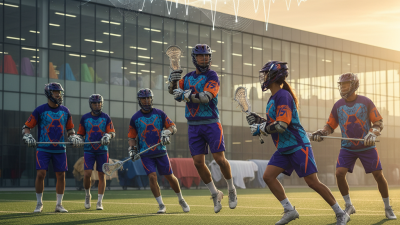
In the competitive world of cricket, having the right uniform can make a significant difference in team spirit and performance. The customization of cricket kits has transformed the way teams approach their game, providing an opportunity to express individuality while enhancing cohesion on the field. With sublimated designs, teams can create unique and vibrant uniform kits that not only reflect their identity but also offer functional benefits.
Opting for custom cricket team uniforms made from quick-dry, breathable fabrics is essential for maximizing comfort during play. These materials ensure that athletes can maintain optimal body temperature, allowing them to focus entirely on their performance. The lightweight design of bulk cricket jerseys and trousers ensures that players can move freely, enabling agile footwork and swift movements that are crucial in a fast-paced sport like cricket.
By investing in customizable kits, teams can embrace both style and functionality, fostering a sense of pride and unity among players. The ability to personalize colors, designs, and prints means that each team can stand out in its own right, representing a unique identity on the field. As teams look to elevate their game, tailored cricket uniforms play a pivotal role in creating not just a strong visual impact, but also a more enjoyable and engaging sporting experience.
FAQS
: In 2026, advancements focus on high-performance fabrics and smart technology to enhance comfort and functionality.
Nearly 70% of players prioritize these materials for better temperature control during games and training.
Wearables track biometric data and can improve recovery times by up to 30% during and after games.
Some players may find the fit restrictive, which can hinder their performance on the field.
Players should look for breathable, moisture-managing fabrics. Natural fibers may lack in this area compared to synthetics.
About 55% of players feel more confident in personalized uniforms, enhancing their overall game performance.
Eco-friendly materials like organic cotton are becoming mainstream, reducing the environmental impact of uniforms.
Regularly assess for wear and tear and consider how different environments affect fabric choice and performance.
Eco-friendly materials must withstand tough conditions while remaining comfortable and effective for players.
Seek brands that prioritize eco-friendly sourcing and ethical labor practices to make informed choices.
Conclusion
In 2026, the landscape of cricket uniforms continues to evolve, focusing on quality and comfort through innovative materials and design. Key highlights include the use of moisture-wicking fabrics that enhance player performance by keeping athletes dry during intense matches. The latest technological advancements in cricket apparel not only boost comfort but also support optimal movements on the field.
Ergonomic design features are increasingly recognized for their impact on player performance, ensuring that uniforms fit well and allow for maximum agility. Additionally, sustainability trends are becoming prominent, with a greater emphasis on eco-friendly materials and practices within the industry. A statistical overview indicates how uniform regulations can affect player comfort, while feedback from players showcases emerging preferences and trends in cricket uniforms, guiding future developments in this essential aspect of the game.